
Have you noticed that parents seem to understand their children pretty well even when they do not use words?
We all know that parents know their children, but what parents really know is how to read their child’s multi-modal communication. Every gesture, sound, facial expression, sign, vocalization, cry, etc. has a deeper meaning. All these modalities give children more ways to express themselves. For toddlers and children with communication delays, it would be imperative to use and allow every tool available to support confidence, reduce frustration, and build meaningful connection.
Understanding Multi-Modal Communication
Understanding Multi-Modal Communication
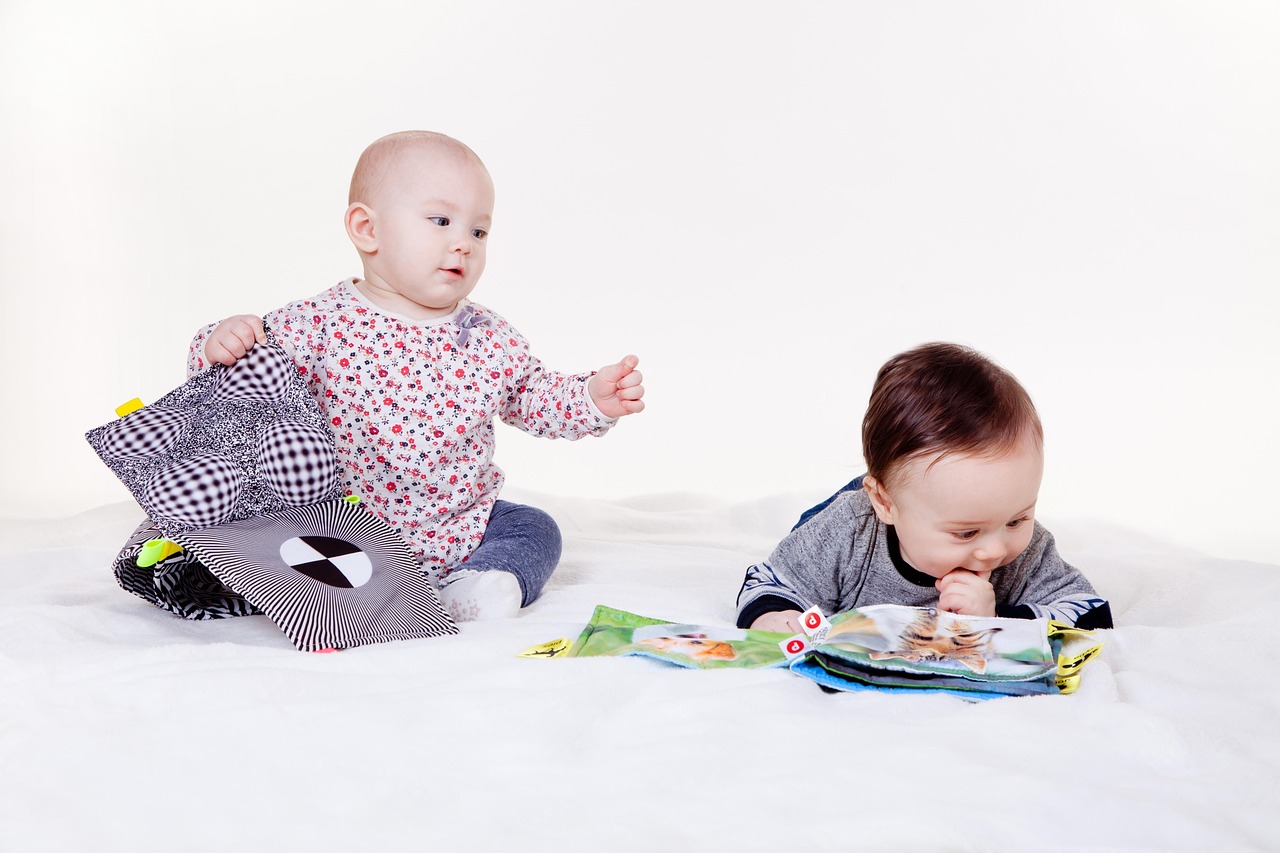
Multi-modal communication means using and understanding multiple ways to share ideas, without relying on speech alone. This might include pointing, reaching, vocalizing, using AAC (augmentative and alternative communication), or the act of showing an object, among others. For young children with communication differences, flexibility is essential. Multi-modal communication supports early socialization skills, encourage interaction, and meets children at the child’s developmental stage.
Why it matters for toddlers and young children:
- It reduces the pressure to use and rely solely on words
- It keeps communication and interaction enjoyable
- It builds the foundation for later speech and language growth
Connection Through Every Modality
“Remember, communication is the goal. The method is secondary.” — David Niemeijer & Amanda Hartmann
This perspective aligns with Ola’s philosophy: communication is connection. Every gesture, sound, glance, sign, picture is a bridge to understanding. When we honor all forms of communication, children feel seen and heard. This boosts confidence and makes interaction joyful. Parents can celebrate every attempt, responding warmly to help children learn that communication—no matter the modality—has power and purpose.
Simple Ways to Support Multi-Modal Communication
Below are practical, beginner-friendly strategies parents can use throughout the day.
1. Follow Your Child’s Lead
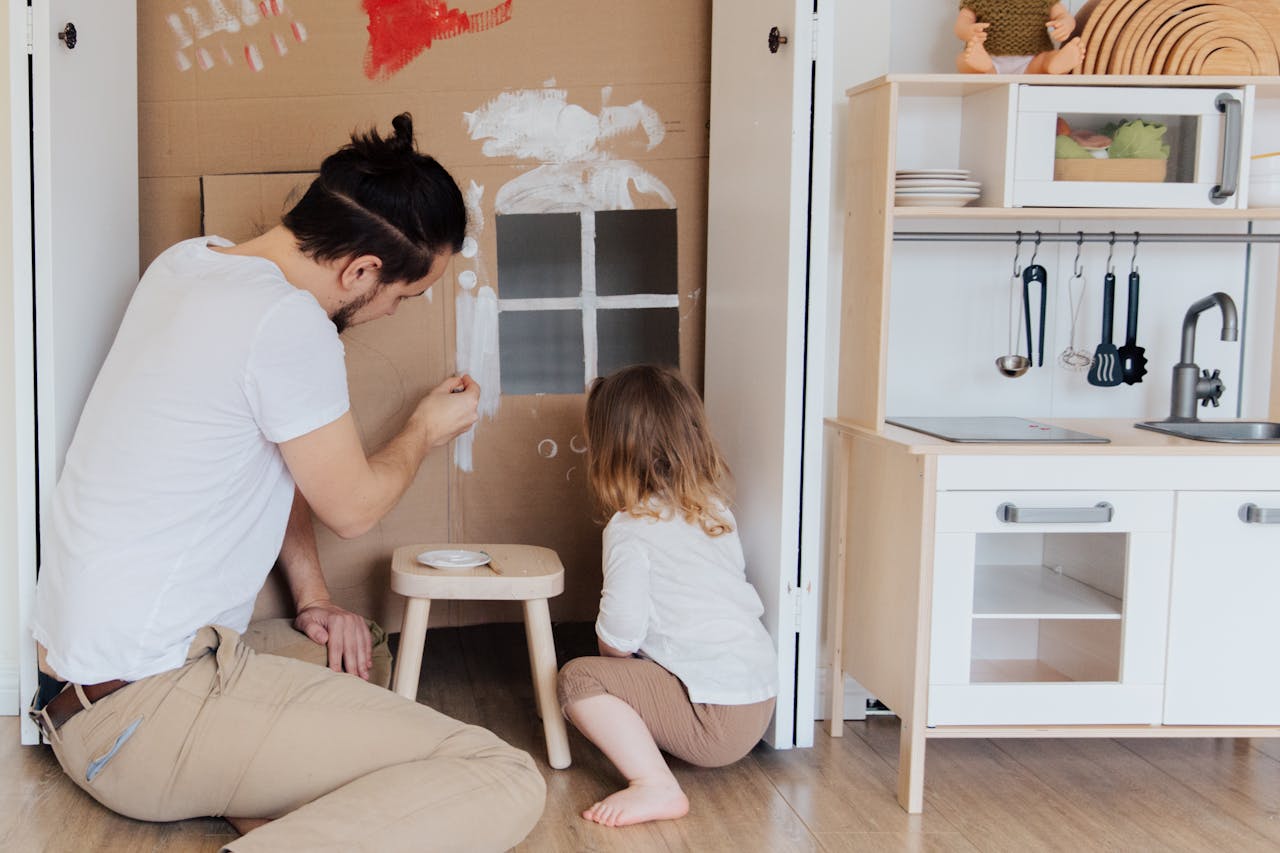
Children communicate more when activities feel fun and meaningful. Notice what interests your child and join in using simple language, gestures, and shared attention.
2. Model Multi-Modal Options
Use gestures, signs, objects, and simple words together. For example, hand your child a cup while saying “drink” and pointing to the cup. Modeling teaches without pressure.
3. Build Communication into Routines
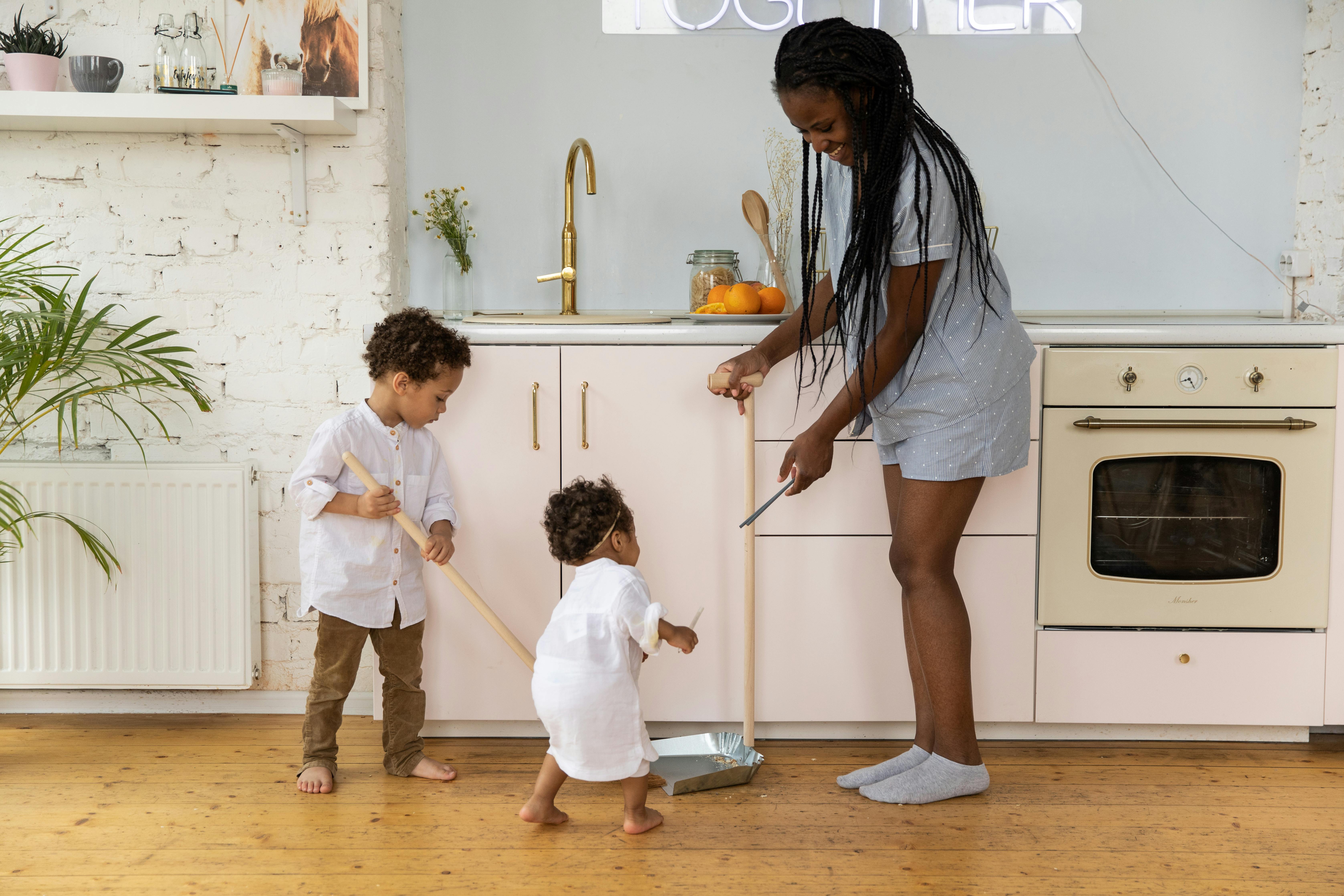
Daily routines naturally repeat themselves—perfect for practicing multi-modal skills.
Tips:
- Pair simple words with gestures (“more,” “all done,” “help”).
- Offer choices using objects or pictures.
- Pause during play to allow your child to gesture or vocalize as in a natural conversation.
Final Thoughts: Remember, initiating and maintaining interaction is a great way to engage with your child. Playing next to your child quietly occasionally and waiting for them to take the first step to interact with you is very important as well. As a communication partner, build the connection from what your child is giving you. Do not force the use of words. Asking your child continuously to repeat or say a word could be very stressful for some children. It may be even worse if we add the level of withholding a preferred object when we ask them to repeat or say. It could create unnecessary frustration and may even work against the intended purpose in the end. Let words flow naturally as much as possible. Modeling is the best approach.
Do you want more information about the use of multi-modal communication in toddlers and children with communication delays? Let’s connect!!! We’d love to hear about your child’s achievements or assist with any concerns you may have.
Follow us on social media Facebook or Instagram for updates, tips, and information.
Find our friends Tokapop on Teachers Pay Teachers and grab the perfect companion for this blog. This free “5-Minute Guide: Multi-Modal Communication” goes with our blog like shoes and socks! It was designed to support functional communication, made with the most care for parents, and is very easy to use, practical, and ready to implement.