

Building the Foundation for Clear Communication: Part 1 Early Developing Sounds
This blog is the first part of a three-part series about articulation development in children. Articulation refers to how we produce speech sounds to form words. Throughout this series, we will explore how speech sounds develop, what parents can expect at different ages, and simple ways to support clear communication at home.
One of the most exciting things for parents is hearing their child’s first words. A child’s speech and language development is unique. A key part of this journey is learning speech sounds, also known as articulation skills. Understanding the order in which sounds are mastered can help parents support their child’s speech clarity, language growth, and overall communication success.
From sounds to first words to simple sentences, children develop communication abilities at their own pace. Then again there are guidelines to measure if a child is on the path to develop the skills needed to be successful socially and academically. According to Crowe & McLeod (2020), most English consonant sounds are acquired by 5 years of age. Their research identified the ages at which 90% of children correctly produced each speech sound. Today, we will focus on what the research calls Early Developing Sounds (2;0–2;11): /b/, /n/, /m/, /p/, /h/, /w/, and /d/. You can read more about this research and articulation general information on the blog Speech Sound Acquisition: What Research Tells Us.
What Are Early Developing Sounds?
Early Developing Sounds touches specifically the first set of sounds that young children “master” in their native language, in this case English. Interestingly, many of these sounds are found in some of the first words most children learn and use when they start talking, making them important building blocks for communication.
Examples include:
- /m/ in mom, more, milk
- /b/ in ball, baby, book
- /p/ in pop, pig, play
- /n/ in no, nose, night
- /d/ in dog, daddy, door
- /h/ in hi, hat, house
- /w/ in water, wow, wagon
Although these sounds are not necessarily the most common sounds in the English language, they appear frequently in young children’s vocabulary and everyday conversations. As a result, they provide many natural opportunities for practice throughout the day.
Why Are These Sounds Important?
Early Developing Sounds serve as the foundation for later speech development. As children learn to use these sounds consistently, they become easier to understand and more confident communicators.
These sounds support:
- Speech clarity – helping others understand what a child is saying.
- Communication skills – allowing children to express their wants, needs, feelings, and ideas.
- Language development – supporting vocabulary growth and longer sentences.
- Social connections – helping children interact successfully with family members, friends, and teachers.
In my experience, when children have positive experiences in conversations and enjoy communicating with others, they are often more motivated to keep talking, exploring language, and initiating interactions.
Learning Through Play
“If you trust play, you will not have to control your child’s development as much. Play will raise the child in ways you can never imagine.” ~ Vince Gowmon
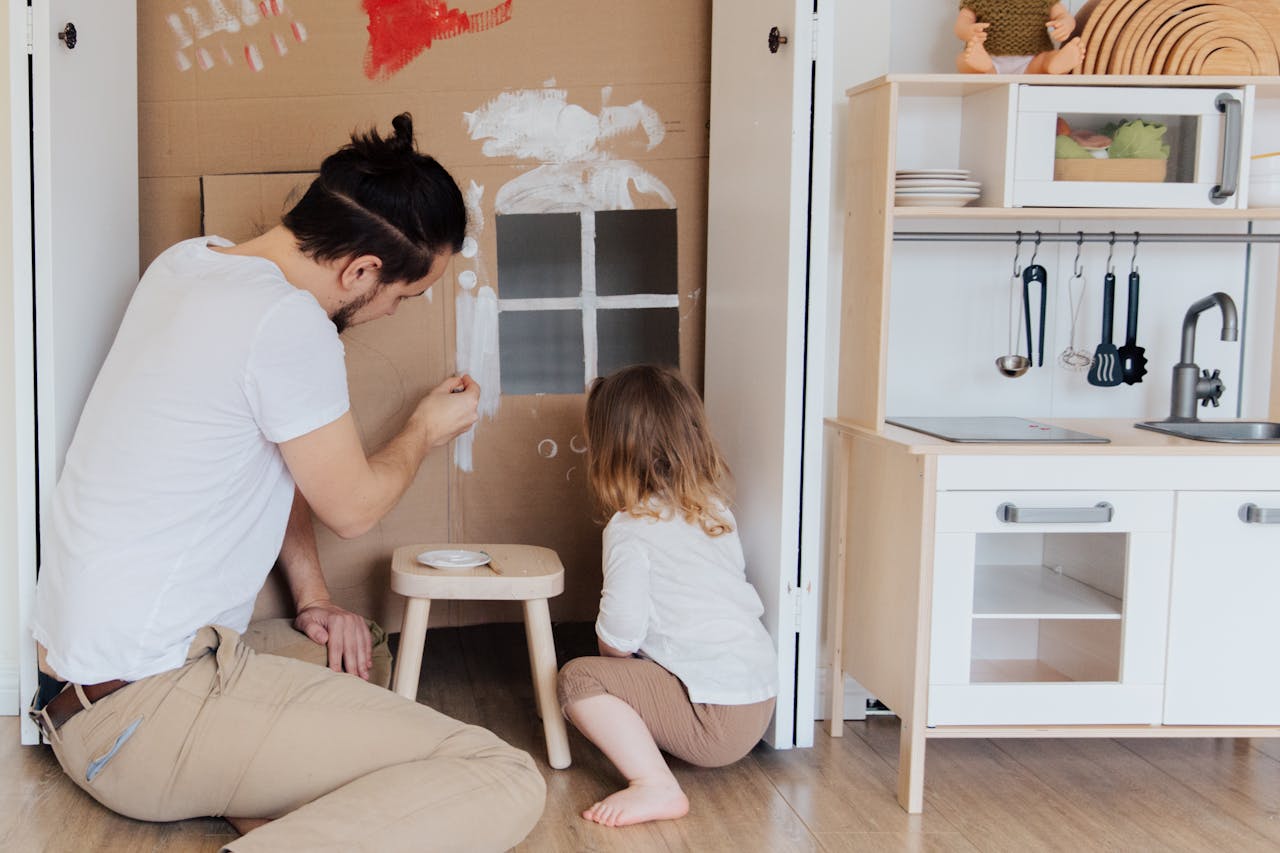
Play is one of the most effective ways children learn. Through play, children naturally practice speech sounds, learn new words, and build communication skills. Whether they are building blocks, pretending to cook, playing with toy animals, or reading books, they are constantly hearing and using language.
In addition, play provides a relaxed environment where children can experiment with words without pressure. Rather than turning speech practice into a drill, parents can model words containing target sounds and join their child’s interests. As a result, communication becomes meaningful, enjoyable, and motivating.
Simple Ways Parents Can Support Early Developing Sounds
Supporting articulation does not require special materials. Everyday routines offer valuable opportunities to encourage speech development.
- Model Words Naturally
Repeat simple words that contain these early developing sounds. Examples:
- “Ball!”
- “More juice.”
- “Hi Grandma!”
- “Dog is running.”
- Read Together
Important: Books expose children to new vocabulary while providing repeated opportunities to hear speech sounds.
- Expand Your Child’s Words
If your child says “ball,” you can respond with:
- “Big ball!”
- “The ball is bouncing.”
- Follow Your Child’s Interests
Children learn best when engaged in activities they enjoy. Use toys, books, songs, and routines that capture their attention. Best, let them choose the item and you can just “roll with it” and have fun while you play and learn.
- Celebrate Communication Attempts
Most importantly, focus on communication rather than perfection. Instead of correcting every error, acknowledge what was said and respond to your child’s message. Positive interactions help build confidence and encourage children to keep trying.
When Should Parents Seek Guidance?
Every child develops differently. However, parents may consider consulting a speech-language pathologist if:
- Speech is very difficult to understand.
- Vocabulary growth seems limited.
- The child becomes frustrated when communicating.
- There are concerns about hearing, speech, or language development.
Early support can help identify strengths and provide strategies tailored to the child’s needs.
Final Thoughts
This first set of speech sounds are important building blocks for speech clarity, communication, language development, and vocabulary growth. Through playful interactions, daily routines, shared reading, and positive communication experiences, parents can support these foundational skills in meaningful ways. Remember that every child develops at their own pace, and small moments of connection throughout the day can have a big impact on communication growth.
Parent Note: Focus on meaningful communication rather than perfect pronunciation. Children learn best when they feel supported, engaged, and successful during everyday interactions.
Parents: Do you want to learn more about Early Developing Sounds, articulation, speech clarity, communication, and language development, or simply want to share your experiences? Let’s connect!!!! We’d love to hear about achievements or assist with any concerns that you may have. And stay tuned for Part 2, where we will explore the next group of developing speech sounds and what parents can expect as children’s articulation skills continue to grow.
Follow us on social media Facebook or Instagram for updates, tips, and information. Find our friends Tokapop on Teachers Pay Teachers for home programs and guides designed to support functional communication, made with the most care for parents, and is very easy to use, practical, and ready to implement.