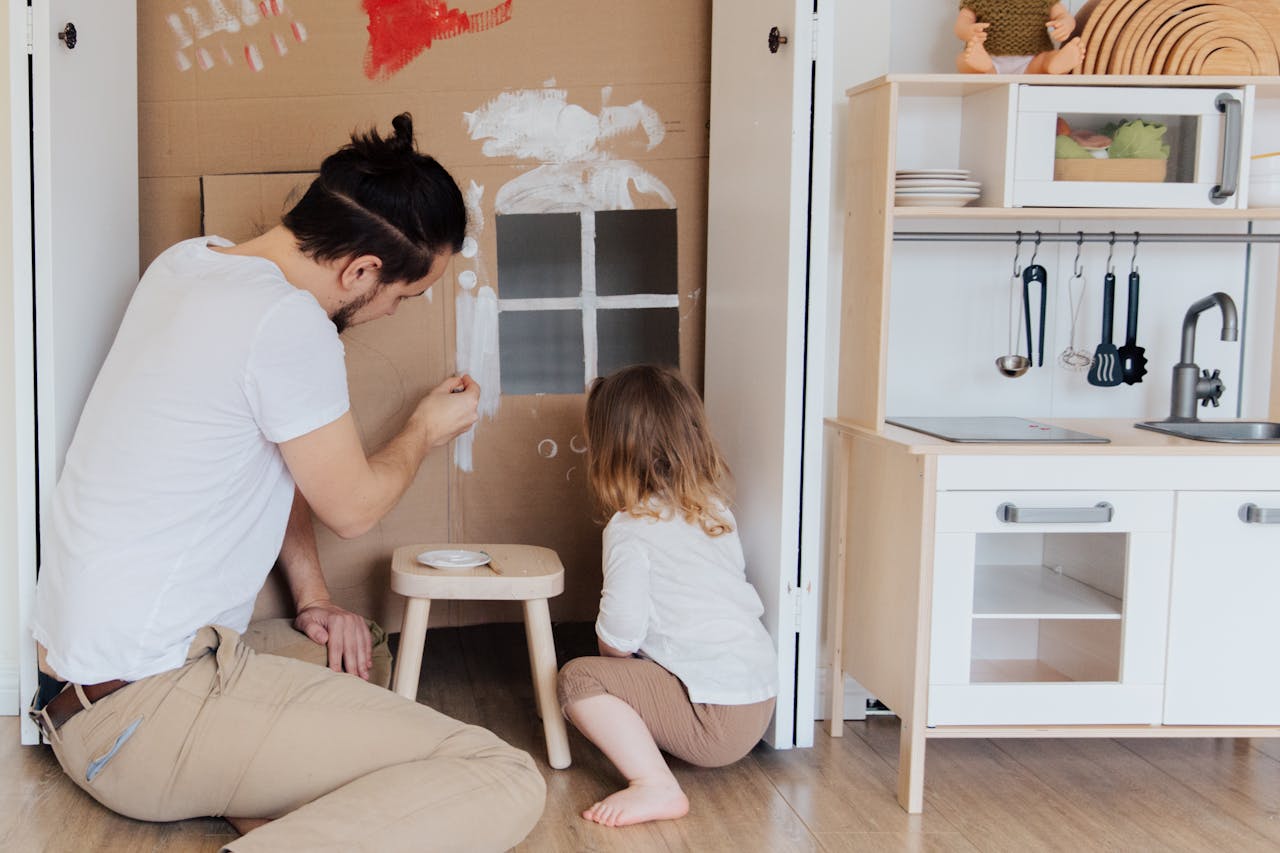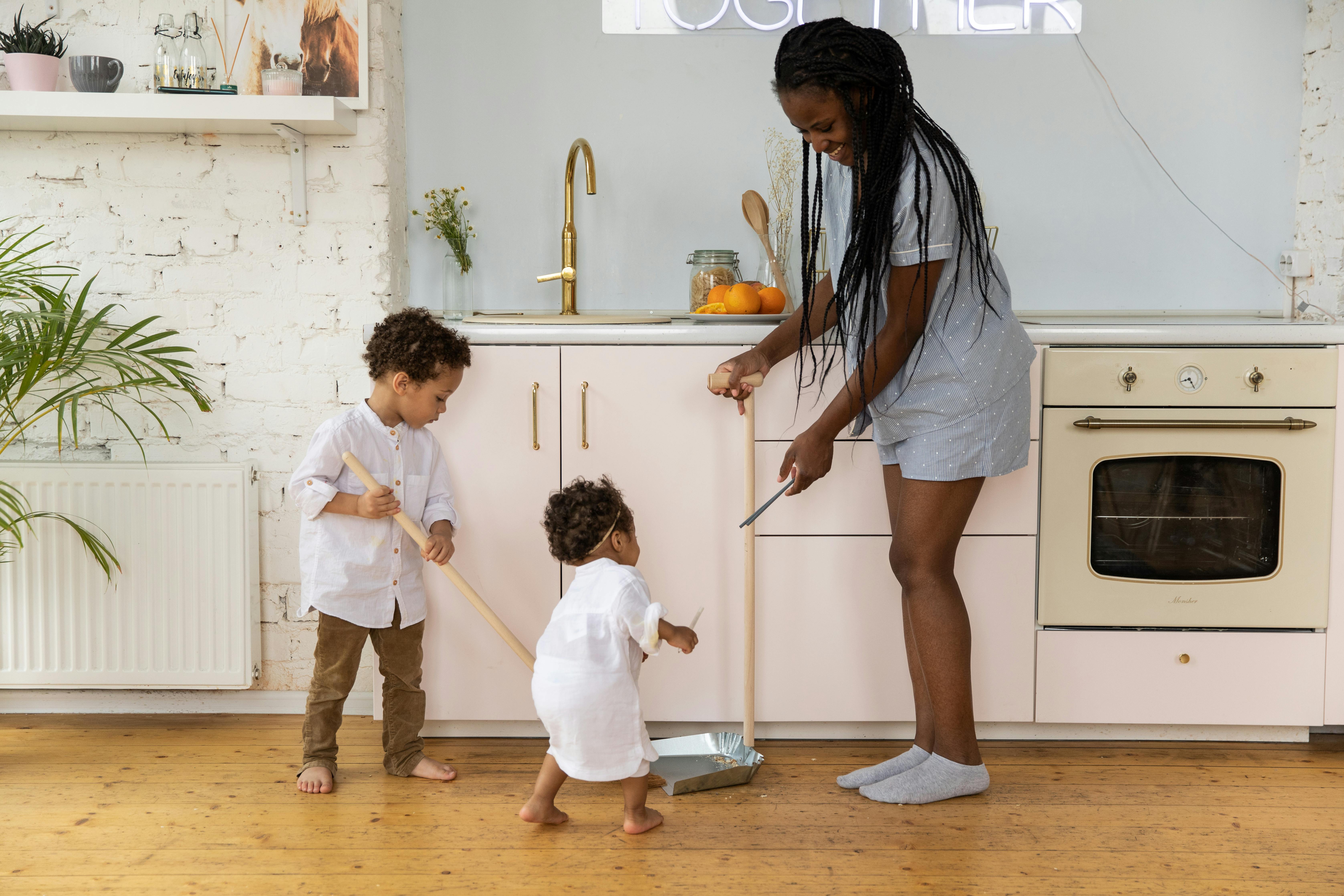

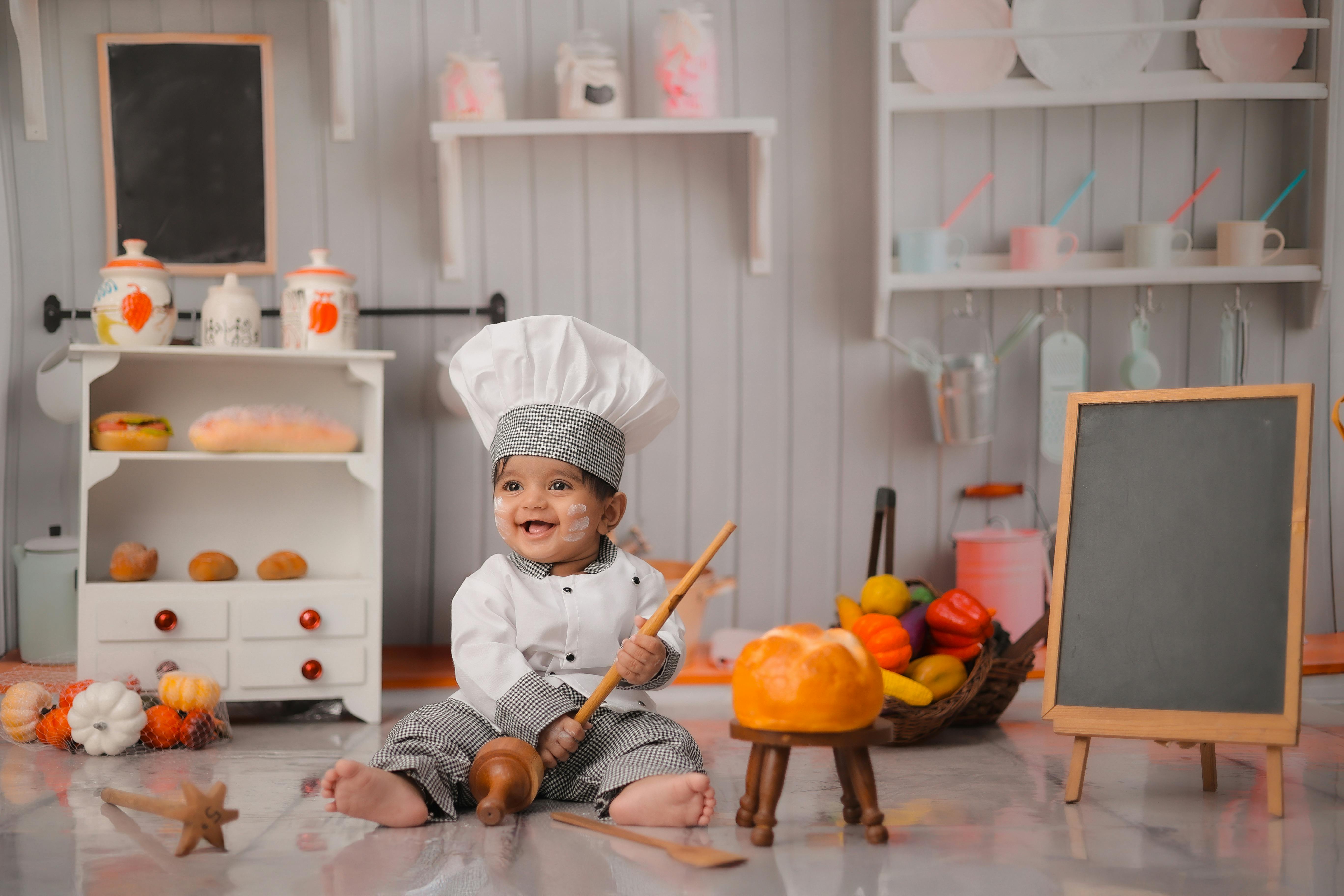
Meaningful communication often grows from simple, playful moments shared every day.
Are you wondering when your child is going to start talking? This is one of the most common—and emotional—questions parents ask. Most children use their first real, meaningful word around 12 months of age. Before that milestone, there is a great deal of babbling, syllable strings, imitation, and sound play. This early phase is known as the preverbal stage—a foundational period characterized by communication through gestures, vocalizations, eye contact, and imitation.
If by 18 months a child is not yet using spoken words, many professionals may quickly apply the label “nonverbal.” The reality, however, is that at 18 months a child is still very young and in the early stages of development. Labels applied too early can feel worrisome, disconcerting, and even devastating for parents.
If this is you, I want you to know—I see you.
Preverbal, Nonverbal, or Minimally Verbal: Why the Distinction Matters
Understanding the similarities and differences among these terms helps parents and professionals shift their focus away from “talking” alone and toward connection, interaction, and shared meaning. While the word nonverbal technically refers to the absence of spoken words, it often fails to capture how richly many children communicate. Children who are labeled nonverbal may express themselves clearly through gestures, body language, facial expressions, vocalizations, play, pictures or symbols, and assistive or alternative communication (AAC). These behaviors are not “pre-communication”—they are communication.
“Nonverbal” does not mean “noncommunicator”
Labeling a very young child as nonverbal can unintentionally minimize their communicative abilities. Everyday behaviors such as pointing to request, pushing something away to protest, nodding to agree, smiling to show enjoyment, or crying to signal pain all convey clear and intentional messages. When we view these actions as meaningful communication, we broaden how we listen to children and become more responsive partners. This shift lays the groundwork for stronger interaction, trust, and language growth.
Why I Prefer the Term Preverbal
For children who have not yet spoken their first word, even up to five years of age, the term preverbal more accurately reflects their developmental trajectory. Preverbal children are actively communicating through gestures, play, vocalizations, jargon, and shared routines, and research shows that this period is critical for language development. Introducing AAC as early as 16 months for certain children and medical conditions takes advantage of rapid brain development and supports vocabulary growth. Importantly, AAC does not hinder speech development; instead, it supports language acquisition, receptive vocabulary, and long-term communication outcomes (Romski et al., 2010; Lüke, 2014; Wright, Kaiser, Reikowsky, & Roberts, 2013).
Minimally Verbal: Recognizing Subtle and Powerful Language Use
Some children are labeled nonverbal despite using spoken words inconsistently, relying on echolalia, producing rote or nonfunctional speech, or using only a few meaningful words. In many of these cases, minimally verbal is a more accurate and affirming description. Minimally verbal children often communicate full messages with a single word, using context and intonation to convey different meanings—such as “momma,” “momma?” or “momma!” These nuanced uses of language demonstrate communicative intent and flexibility, and they deserve recognition and support rather than dismissal.
Play and Communication before the first word
“Presuming that a nonspeaking child has nothing to say is like presuming that an adult without a car has nowhere to go.”
~ Ellen Notbohm, Ten Things Every Child with Autism Wishes You Knew
As mentioned earlier, children typically develop their first meaningful word around 12 months. By 18 months, many children use between 10–50 words, and by 24–36 months, vocabulary often expands to 300–500 words, with children beginning to combine two words (e.g., “want juice,” “more eat,” “help please”).
However, communication and play begin at birth.
Birth to 3 Months: Babies quiet or smile when spoken to, make sounds back and forth with caregivers, and coo using sounds like oooo, aahh, and mmmmm.
4 to 6 Months: Babies giggle and laugh, vocalize during play or while mouthing objects, experiment with vowel sounds (sometimes paired with consonants), and blow “raspberries.”
7 to 9 Months: Babies respond to their name, pause when hearing “no,” babble long sound strings (e.g., mamamama, babababa), raise their arms to be picked up, and push away unwanted objects.
10 to 12 Months: Babies point, wave, show or give objects, imitate gestures, engage in social games like peek-a-boo, attempt to copy sounds, respond to simple phrases, and often say one or two familiar words such as mama, dada, hi, or bye.
Play Based Learning Builds Communication
Laundry as a Language Opportunity: Laundry may seem like a routine household chore, but it can easily become a rich language-learning experience when your child is invited to participate. As you work together, you can naturally talk about sorting clothes by color, naming different clothing items, and describing their features. This is a great time to introduce concepts such as big and small, soft fabrics, or wet and dry clothing. Taking turns placing items into the washer or dryer also supports social interaction, turn-taking, and engagement. Throughout the activity, follow your child’s lead and describe what is happening in the moment. For example, if your child says, “my shirt,” you can gently expand their message by saying, “Yes, your shirt is blue,” or “Your shirt is small,” or even, “That’s your shirt, and this is my shirt.” These simple expansions help build vocabulary and sentence structure without placing pressure on your child to respond.
Cooking Together feeds more than just the stomach: Similarly, cooking together offers endless opportunities to support communication in a natural and meaningful way. While preparing meals, narrate what you are doing using clear and simple language, such as, “I am putting milk in your cereal,” or “I am frying the chicken.” Naming foods, utensils, and kitchen appliances helps build vocabulary while also strengthening understanding of daily routines. In addition, you can give your child simple directions and then pause expectantly, allowing them time to respond in their own way—whether through movement, sounds, gestures, or eye contact. Directions like, “Give me one garlic clove,” “Put in three strawberries,” or “Wash the spoon, then give it to me,” encourage listening, comprehension, and participation without demanding verbal responses.
Cleaning Ceiling Fans Counts: Even less obvious chores, such as cleaning ceiling fans, can become powerful communication opportunities. During this activity, children are exposed to new and functional vocabulary, including words like fan, brush, rag, ladder, on and off, dirty and clean, as well as up and down. You can involve your child by asking them to hold items, bring tools you may need, or hand things to you as you work. These small roles promote engagement, cooperation, and turn-taking. Offering choices and allowing your child to decide how they want to help further increases motivation. When children are given the opportunity to lead, communication feels more meaningful and less forced, creating positive experiences that support long-term language development.
Final Thoughts
Building communication with preverbal, nonverbal or minimally verbal children is not about ‘doing more’—it’s about doing what matters most. Play, connection, and responsive interaction lay the foundation for growth. Every gesture, sound, and shared smile counts. Trust yourself, celebrate small wins, and remember: your presence is powerful.
If you want more information about milestones, you can visit the CDC website.
Parents: Do you want to learn more about preverbal, nonverbal or minimally verbal communication or share your experiences? Let’s connect! We’d love to celebrate your child’s achievements and support you along the way.
Follow us on social media Facebook or Instagram for updates, tips, and information.
Find our friends Tokapop on Teachers Pay Teachers and grab the perfect companion for this blog. This free “5-Minute Activity Guide: Communication and Play for Preverbal and Minimally Verbal Children” goes with our blog like soap and water! It was designed to support functional communication, made with the most care for parents, and is very easy to use, practical, and ready to implement.