
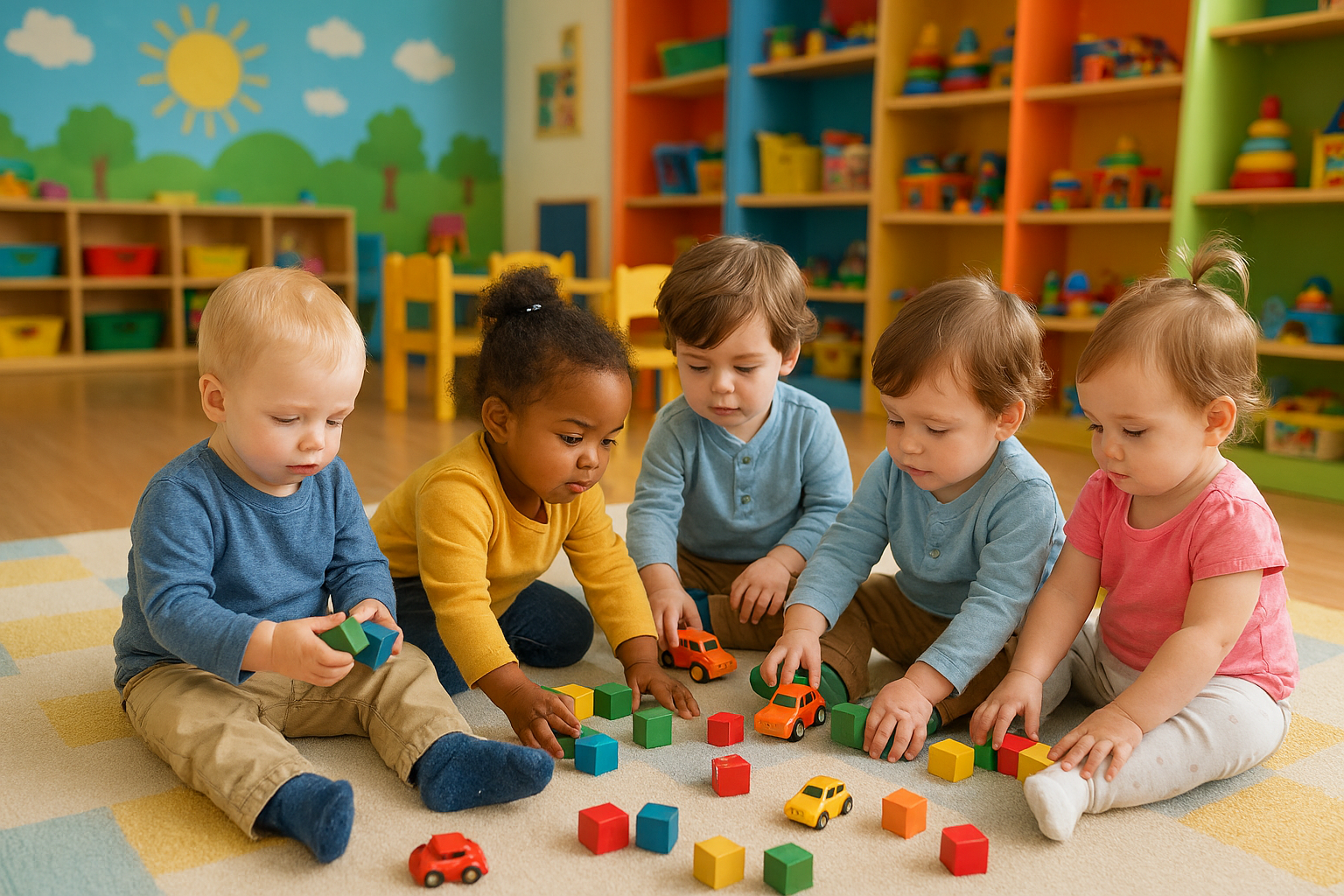
A child’s first words is a very exciting moment for parents. Those first words often arrive quietly, sometimes in the middle of play, when you least expect them. They can bring great joy, relief, or even new questions. However they show up, first words are just one part of a much bigger communication journey, and play ‘plays’ a meaningful role along the way.
In this post, we’ll gently explore what first words are, why they matter, and how everyday play supports language development in natural, supportive ways.
What Are “First Words”?
First words are the beginning of the communication journey of your child. These are simple, meaningful, usually short words your child says ‘intentionally’ to communicate. These words are used to label objects or people (ex. mama, dada, ball), to request objects or actions (ex. eat, paci), to request help or repetition (ex. help, more), to answer questions (ex. yes, no) or to get attention (ex, hey). For many children, first words begin to emerge around 12 months, though timing can vary widely and that variation is part of typical development.
Before words come gestures, sounds, shared attention, and back-and-forth interaction. These early communication skills are just as important, and they help lay the groundwork for spoken language.
Why Play Supports Early Language Development
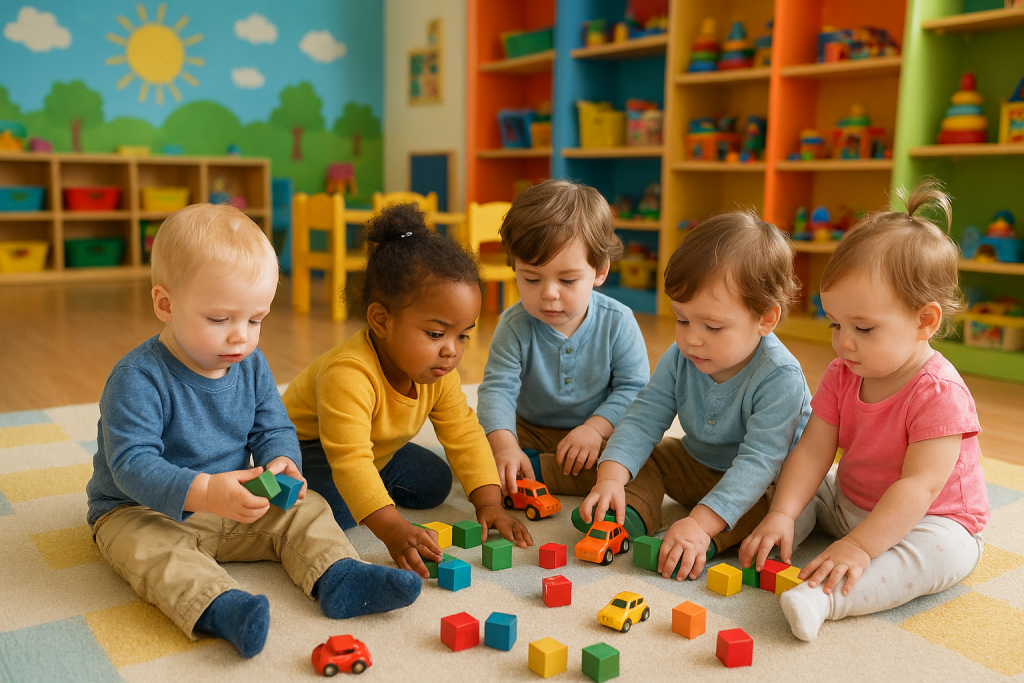
Play offers a natural space for learning because it is motivating, flexible, and built on connection. When children are engaged in play, they are more likely to:
- Pay attention and stay involved
- Say words repeated in meaningful contexts
- Practice turn-taking and interaction
Through play, language is experienced rather than taught. Words become connected to actions, objects, and shared moments, helping children understand and eventually use them on their own.
Gentle, Play-Based Ways to Support First Words
Here are a few supportive strategies that can fit easily into your daily routines.
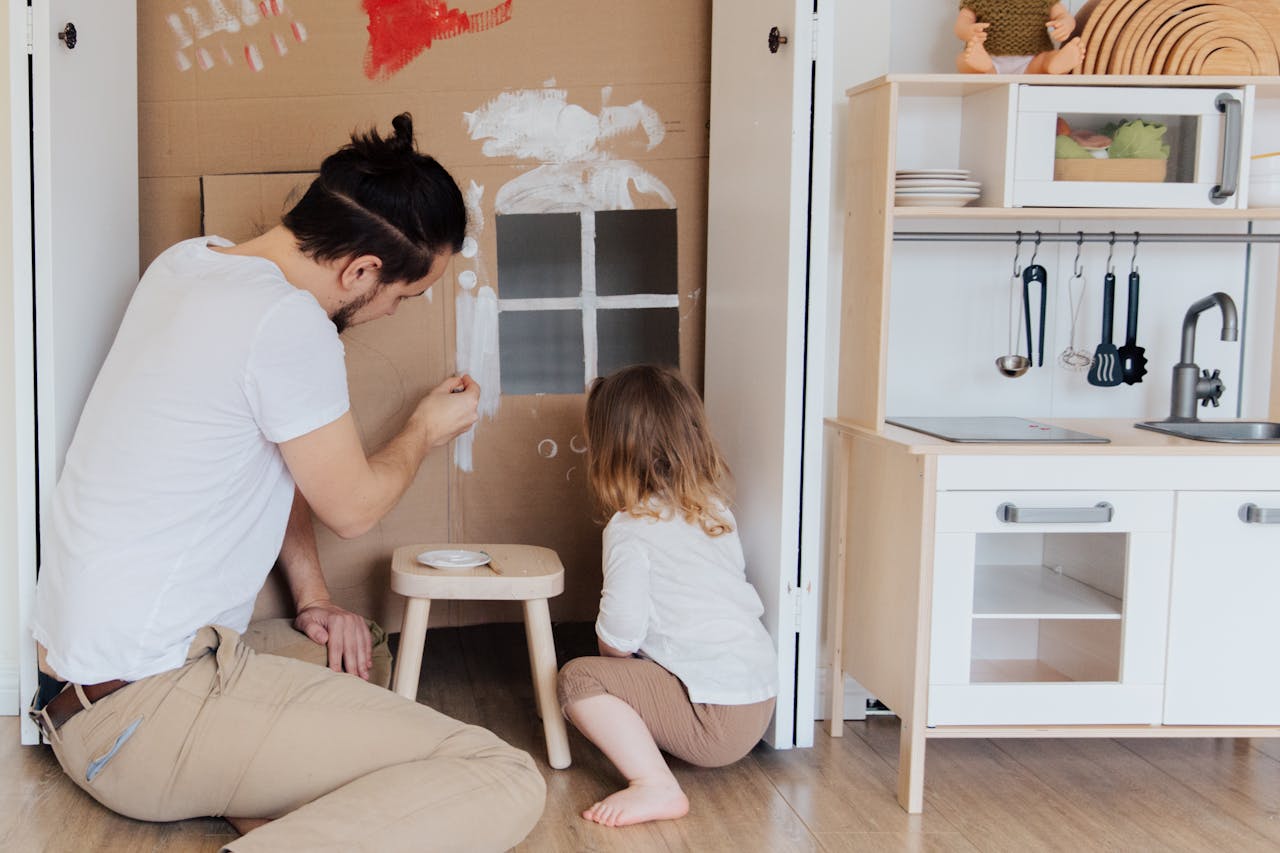
Follow Your Child’s Lead
Observe what your child is interested in and join them there. When you talk about what they’re already doing, words feel relevant and easier to understand. Using short, simple language, such as “up,” “go,” or “car”—can be especially helpful at this stage.
Model Words Through Repetition
Hearing the same word many times helps children learn it. During play, repeat words naturally without expecting your child to say them back. For example:
“Ball. Roll the ball. Ball.”
This kind of repetition supports understanding and reduces pressure.
Pair Words With Gestures
Gestures provide visual support and help clarify meaning. Pointing, waving, or reaching while saying a word can make it easier for your child to connect the word with what’s happening.
Use Songs and Simple Games
Songs and interactive games like Peek-a-Boo or Pat-a-Cake include rhythm, repetition, and predictable patterns. These features support early language learning while keeping interactions enjoyable and connected.
When Support May Be Helpful
If your child is not using words by around 18 months, or if you have concerns about how they are communicating, it may be helpful to connect with a speech-language pathologist. Early support can offer insight into your child’s communication strengths and provide guidance that fits your family and routines.
Reaching out doesn’t mean something is “wrong”, it simply means you’re seeking understanding and support.
Final Thoughts
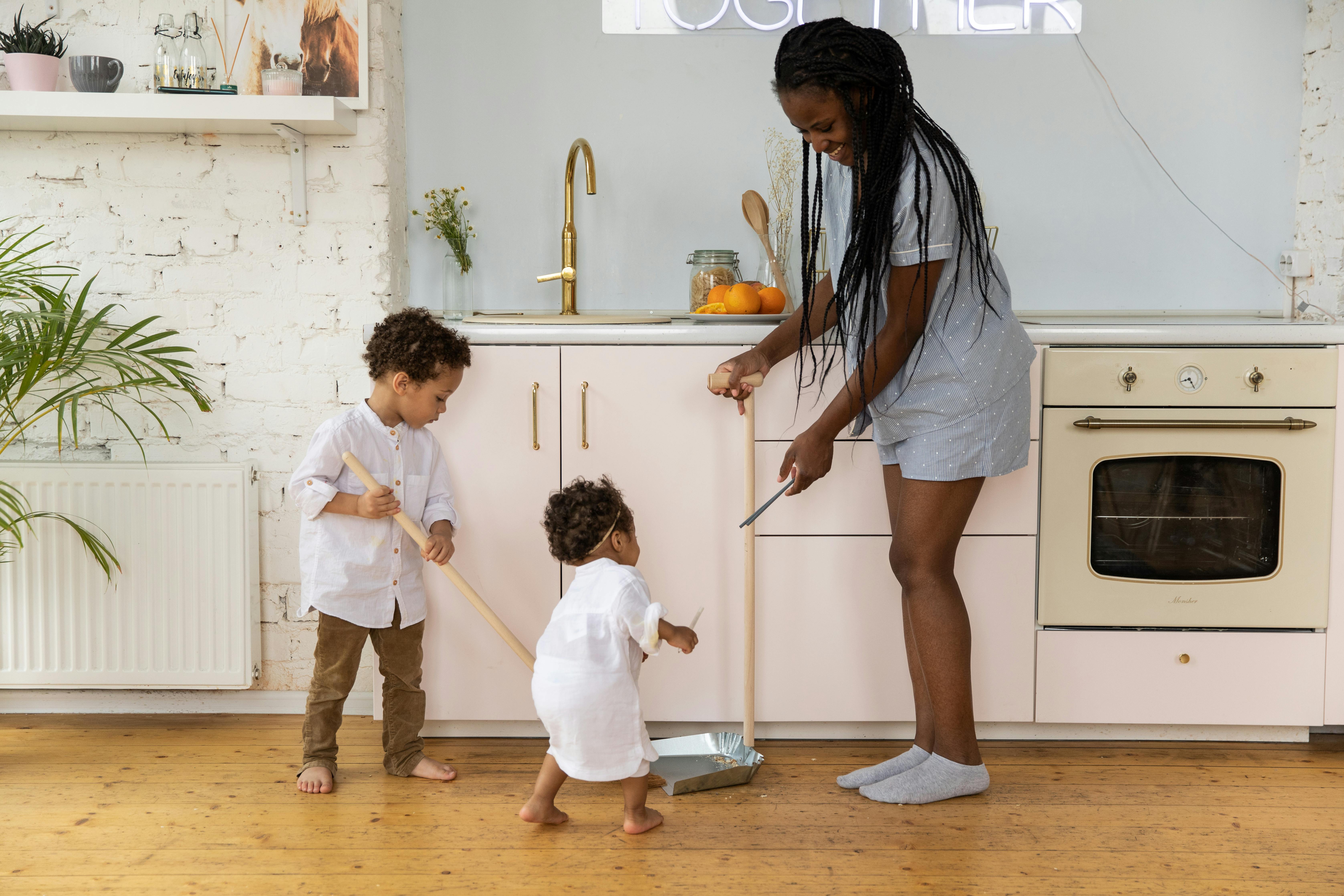
First words grow from relationships, shared moments, and feeling understood. There’s no need to rush or compare, every child’s communication path is unique. By staying present, playful, and responsive, you are already supporting your child in meaningful ways.
Looking for simple ways to make learning more engaging for your child? If you’d like to learn more about early communication or want gentle guidance tailored to your child, Ola by Hello Sunshine ST is here to support you. We’d love to connect when you’re ready.
Schedule a consult: email us at hello@olaslp.com
Follow us on social media Facebook at OLA SLP or Instagram @ola.slp for updates, tips, and information.
Find our friends Tokapop on Teachers Pay Teachers and grab the perfect companion for this blog. This free “5-Minute Playful Guide to Support First Words” goes with our blog like peanut butter and jelly! It was designed to support functional communication, made with the most care for parents, and is very easy to use, practical, and ready to implement.