
Children learn about the world through play, how it works, how people interact, and how words bring meaning to everyday experiences. Whether they are stacking blocks, pretending to be superheroes, or exploring a bin of colorful toys, play is more than just fun. It is a powerful tool for developing vocabulary, language, and communication skills.
In fact, play-based learning is at the heart of many speech and language therapy approaches because it blends natural curiosity with real-world communication practice. For parents, caregivers, and especially parents of children with disabilities, understanding the connection between play and language is invaluable.
Why Play Matters for Vocabulary Development
Play creates a relaxed, joyful environment where children naturally explore language. Every toy, interaction, and imaginative moment becomes an opportunity to hear new words, practice speech, and build understanding.
Here’s why play is such a strong foundation for language growth:
Children learn words faster when they are emotionally engaged.
Play allows repetition, which strengthens word learning.
Hands-on activities help children attach meaning to words.
Imaginative play encourages sentence building, storytelling, and social language.
When children play, they aren’t just having fun, they are building the vocabulary they need for school, relationships, and self-expression.
“It’s the things we play with and the people who help us play that make a great difference in our lives.” – Mr. Rogers
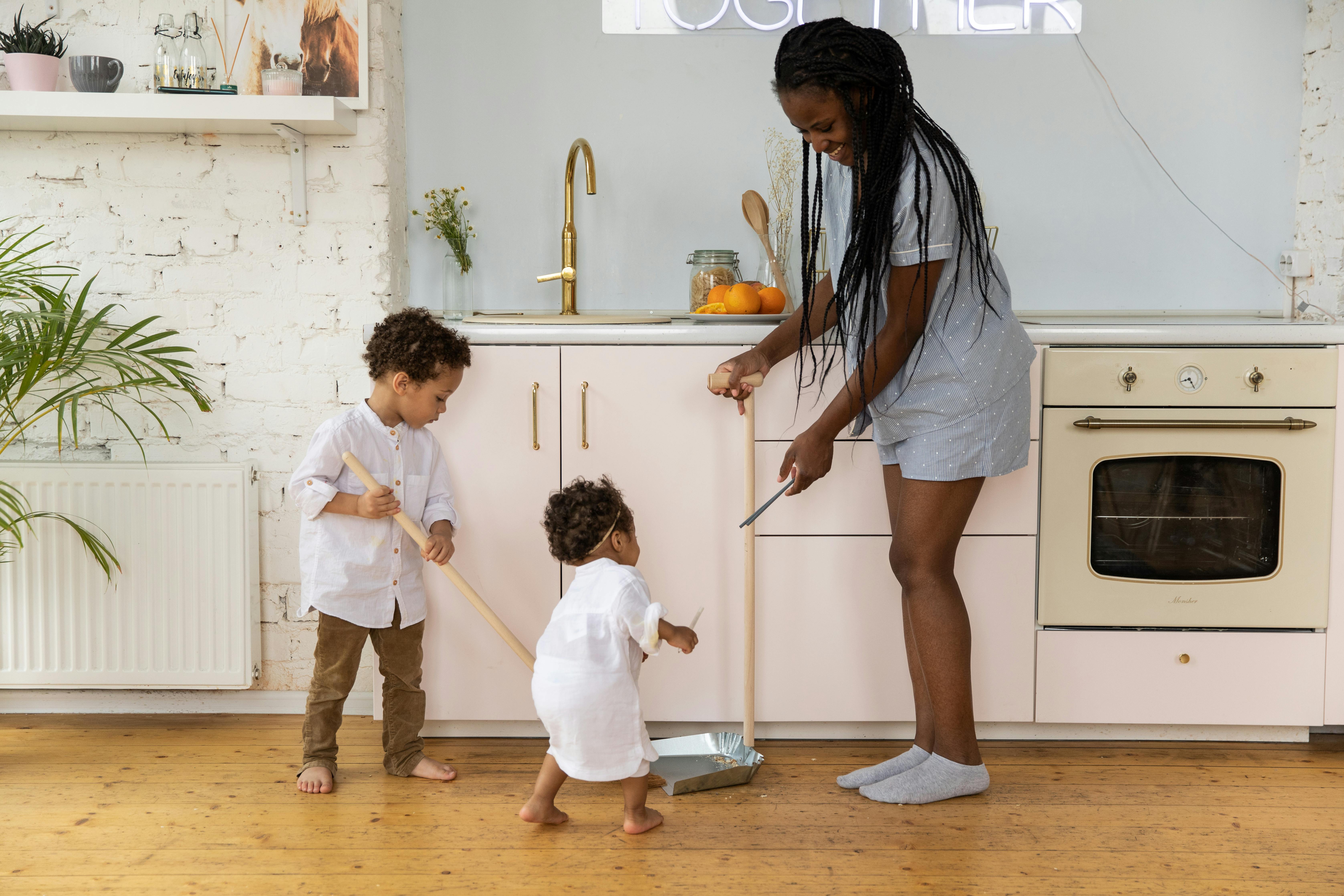
This quote from Mr. Rogers beautifully captures the heart of language development. It’s not only the toys themselves that matter, but the interactions that happen around them. When an adult joins a child in play by commenting, taking turns, adding new words, the child receives the rich language input they need to grow.
For example,
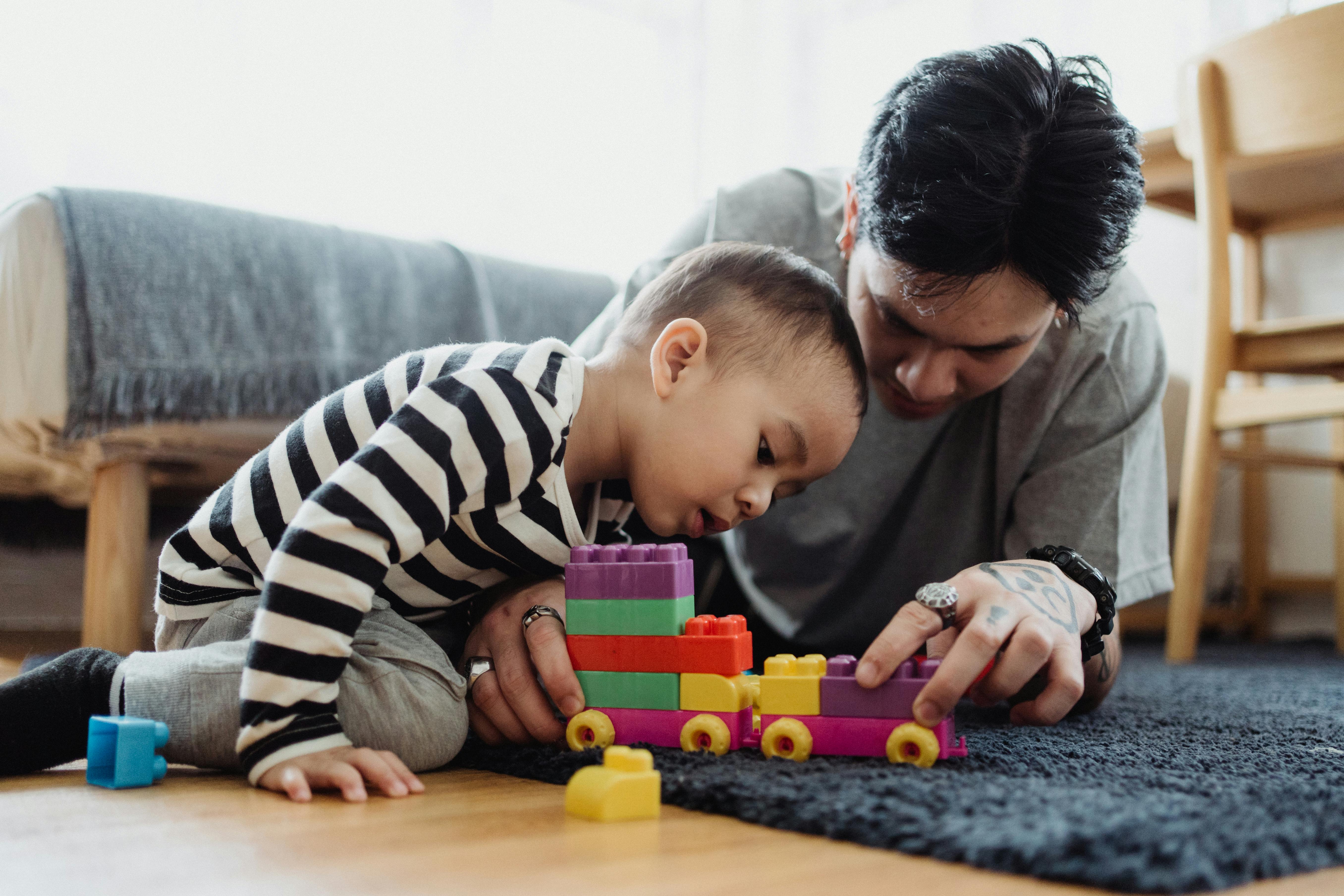
- A simple toy car becomes a vocabulary lesson (“fast,” “slow,” “push,” “garage,” “crash”).
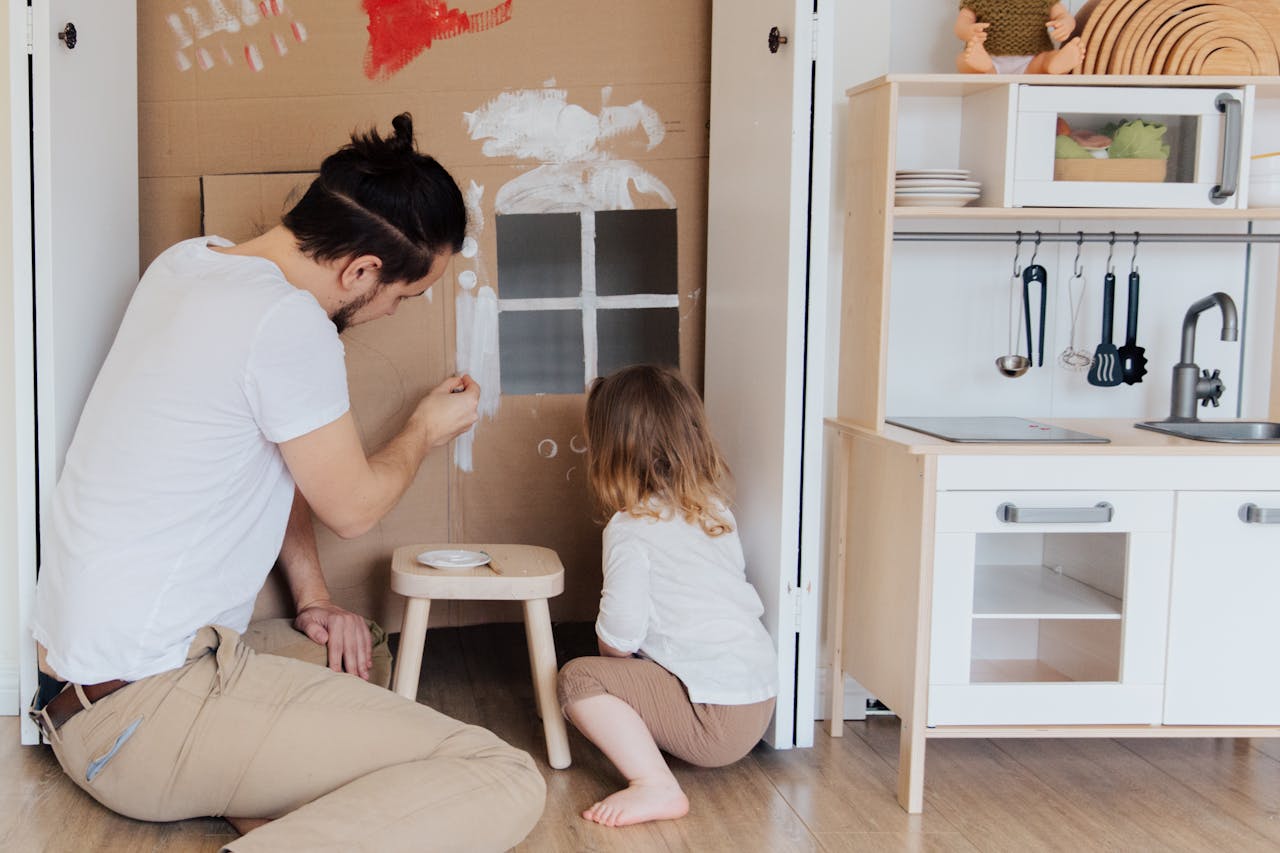
- A pretend kitchen invites language like “mix,” “pour,” “taste,” “hot,” “delicious.”
- Playing doctor introduces words such as “check,” “listen,” “medicine,” “bandage.”
Even for children with communication disorders or language delays, these shared moments open the door to learning through connection.
How Play Supports Children with Disabilities
For children with speech delays, language disorders, autism, intellectual disabilities, or motor challenges, play offers a natural and pressure-free way to communicate.
- Play is flexible and can be adapted to any skill level.
- It supports alternative communication methods (AAC, gestures, signs).
- Therapists often use play to assess or teach language in a child-led environment.
- Play can reduce anxiety, helping children stay engaged longer.
Most importantly, play lets children practice communication without fear of making mistakes. Every giggle, gesture, or shared moment is communication.
Final Thoughts
Play is more than entertainment, it’s an adventure filled with learning, connection, and endless opportunities for vocabulary growth. When parents join in play, label objects, model simple phrases, and follow the child’s interests, they unlock the true magic of language learning. Whether you have a typically developing child or a child with disabilities, play creates an accessible, joyful path toward stronger communication skills.
Parents!
Do you want to learn more about how children learn through play or simply want to share your experiences? Let’s connect! We’d love to hear about your child’s achievements or support you with any concerns you may have. You’re not alone on this journey—every playful moment counts!