
Why Gestures Matter: Supporting Your Toddler’s Communication
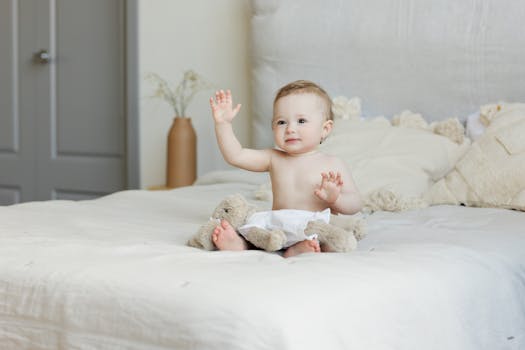
The other day, I visited a friend of my daughter who has a 10‑month‑old baby, and I couldn’t help but melt in the face of pure cuteness. Her big eyes looked at me, then quickly shifted to her parents—as if asking whether I could be trusted. Her mom handed her to me and she quickly reached for her mom and whined a little, but when her mom gently said, “It’s okay,” she calmed down.
As I talked to her, she looked at my mouth closely, studying every movement with curiosity. Her perfect little facial expressions changed as she attempted to imitate mine, completely engaged in the moment.
Then came the moment that truly melted my heart: the subtle way she laid her head on my shoulder, quietly telling me, “I feel safe with you.”
In that moment, I was reminded of just how powerful those early, preverbal communication skills really are. Long before babies use words, they are already communicating through eye contact, facial expressions, body language—and especially gestures. I couldn’t help but think about a course I took on 16 gestures children typically use before 16 months, and how these early skills play such a critical role in language development.
What Are Gestures?
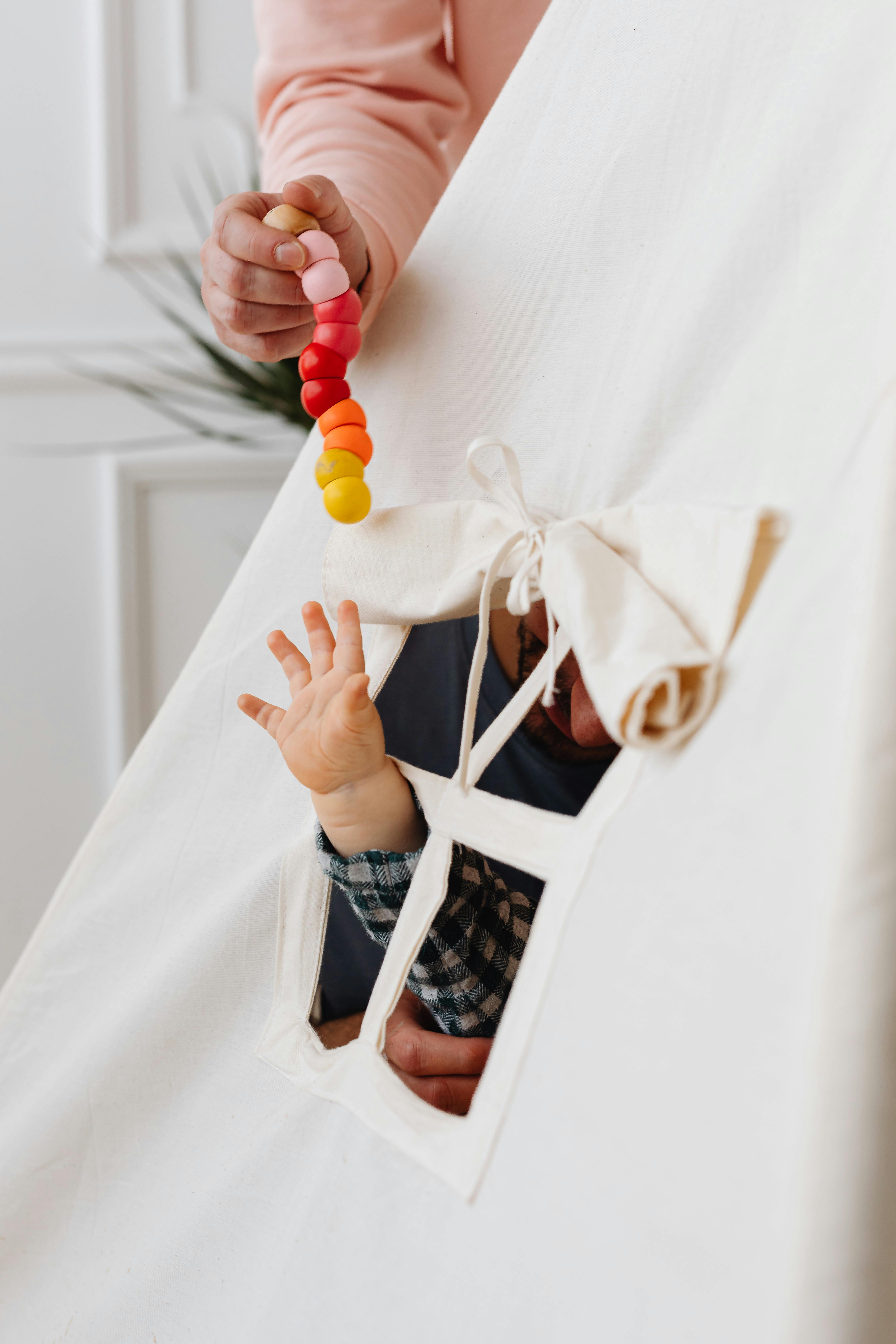
Gestures can be unintentional or intentional body movements that toddlers use to communicate their wants, needs, and interests. Some gestures begin accidentally—such as a child reaching or shifting looks between what they want and the adult —and, through an adult’s response, children learn that these movements are meaningful. When adults respond consistently and warmly, toddlers begin to repeat these gestures on purpose, using them intentionally to communicate.
-
- Pointing to objects
-
- Reaching to request help
-
- Giving or showing items
-
- Waving “bye‑bye”
-
- Shaking the head for “no”
-
- Raising arms to be picked up
Gestures usually begin to emerge around 8–9 months of age, well before spoken words (around 12 months of age). For many children, gestures are the very first step toward language—and they deserve to be celebrated.
Why Gestures Are So Important
Gestures are not just adorable—they are foundational. Research shows that toddlers who use a variety of gestures often develop stronger spoken language skills later on. Gestures help children:
-
- Express themselves before words are available
-
- Learn that communication is meaningful and effective
-
- Practice turn‑taking and shared attention
-
- Build connections between ideas and language
When adults notice and respond to gestures with words (for example, “You’re pointing at the dog!”), children receive rich language input that supports speech development.
Gestures Expected Around 16 Months
According to the First Words Project, around 16 months, most toddlers use a wide range of gestures that fall into several categories:
Requesting Gestures: Used to ask for help or desired items:
-
- Reaching
-
- Giving an object to an adult to ask for help
-
- Raising arms to be picked up
-
- Open hand up to request
Social Gestures: Used during interactions with others:
-
- Waving hello or goodbye
-
- Clapping
-
- Blowing kisses
-
- Tapping to get attention
Joint Attention Gestures: Used to share interest or attention:
-
- Pointing to objects or people with open-hand or index finger
-
- Showing toys
-
- Holding objects up for an adult to see
Conventional Gestures: Gestures with shared social meaning:
-
- Shaking head “no”
-
- Nodding “yes”
-
- Arms out to indicate “all done”
-
- Turning face or pushing away to refuse
These gestures show that a toddler understands how communication works—even if spoken words are still emerging.
When Should Parents Pay Attention?
While every child develops at their own pace, limited use of gestures can be an early sign of a communication delay. By 12–16 months, most toddlers:
-
- Use gestures consistently
-
- Combine gestures with sounds or facial expressions
-
- Use gestures to share interest, not only to request
If a toddler is not using gestures or seems frustrated when trying to communicate, an evaluation with a speech‑language pathologist can provide clarity and support.
How Parents Can Encourage Gestures at Home
You can support your toddler’s communication every day by:
-
- Modeling gestures while talking (“Up!” with raised arms)
-
- Pausing to give your child time to respond
-
- Responding warmly to all communication attempts
-
- Pairing gestures with simple words
-
- Using songs, routines, and play for repetition
These small moments—just like the one I experienced today—are where communication truly begins.
Gestures Are the Bridge to Words
Gestures are often a child’s first “words.” They allow children to discover that their movements can communicate messages, build relationships, and connect with the world around them—even before speech develops. When first words begin to emerge around 12 months, children usually combine gestures and words together. Supporting gestures early builds a strong foundation for lifelong communication.
Thinking back to that sweet 10‑month‑old—the trusting glance, the careful imitation, the gentle head on my shoulder—I’m reminded that communication starts in these quiet, adorable moments.
What small gestures have you noticed in your child lately, -reaching, pointing, showing, or simply leaning in for closeness?
If you’re curious about what these moments mean or how to support them, reach out to Ola SLP. We’d love to walk alongside you and help your little one’s communication shine.
First Words Project Gestures at 16 months