
Have you noticed some children do not look at you when you talk to them, but they can answer your questions?
It’s a common observation, and an important reminder that communication is more than just eye contact. Many children, including those with developmental differences, may not consistently look at their communication partner, yet they are still listening, understanding, and participating.
Eye contact is often seen as a key social skill, but it is only one piece of a much bigger picture known as pragmatics, or social language. Pragmatic skills include turn-taking, understanding tone, responding to questions, and recognizing social cues, among many other nonverbal and verbal skills. When we broaden our understanding of communication, we can better support all children, meeting them where they are while helping them grow.
Why Eye Contact Matters (But Isn’t Everything)
Eye contact can be helpful during conversations because it:
- Signals attention and engagement
- Helps connect emotionally with others
- Provides nonverbal feedback (like understanding or confusion)
However, eye contact is not the only way to show engagement. Some children may:
- Listen better when not making eye contact
- Feel overwhelmed by direct gaze
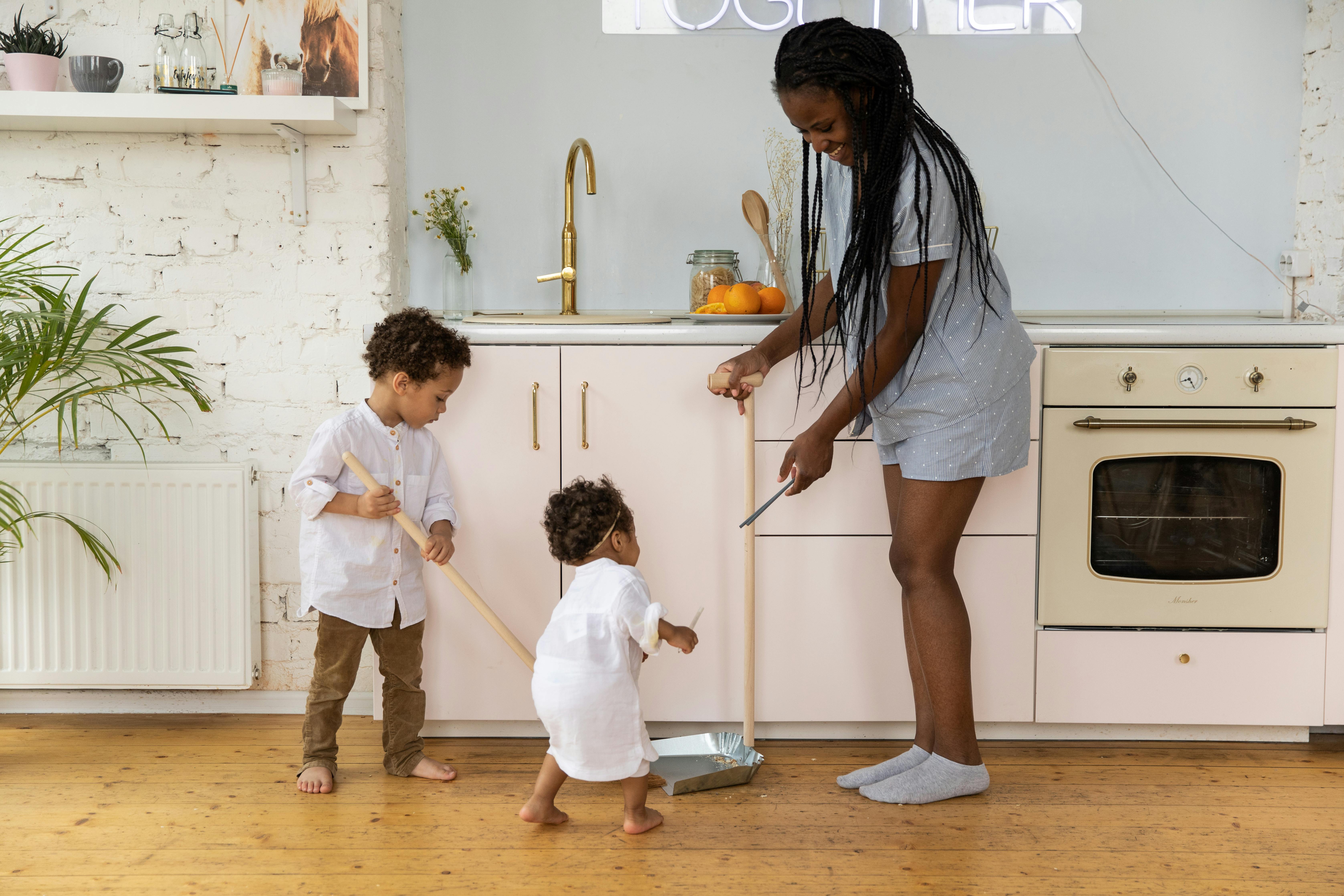
- Use other strategies like nodding, answering questions, or staying nearby
For children with communication differences, including autism or language delays, forcing eye contact may actually interfere with their ability to process language.
Understanding Eye Contact Through a Cultural and Individual Lens
“Eye contact is one good skill to adopt when speaking in public. However, beware of the culture of people you are speaking to before you contact them with your eyes. Take note of their age range. In some cultures, looking into the face of an elderly person when talking is considered as disrespect. Some cultures don’t have problem with it at all.”
― Israelmore Ayivor
This quote reminds us that eye contact is not just a developmental skill, it is also shaped by culture, comfort, and personal style. What is considered respectful in one setting may not be the same in another.
For children and families, this means there is no one-size-fits-all approach. Instead, we can focus on helping children develop flexible communication skills that work across different environments.
What Is Social Language (Pragmatics)?
Social language, or pragmatics, refers to how we use language in real-life situations. It includes nonverbal and verbal skills, like taking turns in conversation, staying on topic, understanding body language and facial expressions, adjusting language based on the person we are talking to, knowing when and how to respond, interrupting appropriately, introducing topics of conversation, “reading” the room, etc. Eye contact fits into this as just one of many social cues.
Practical Tips for Parents and Caregivers
Supporting your child’s communication does not mean insisting on constant eye contact. Instead, consider these strategies:
 1. Look for Different Signs of Engagement
Your child may show they are listening by:
- Responding to questions
- Following directions
- Using gestures or facial expressions
Celebrate these moments as meaningful communication.
2. Model Natural Eye Contact
Instead of demanding eye contact, gently model it during interactions:
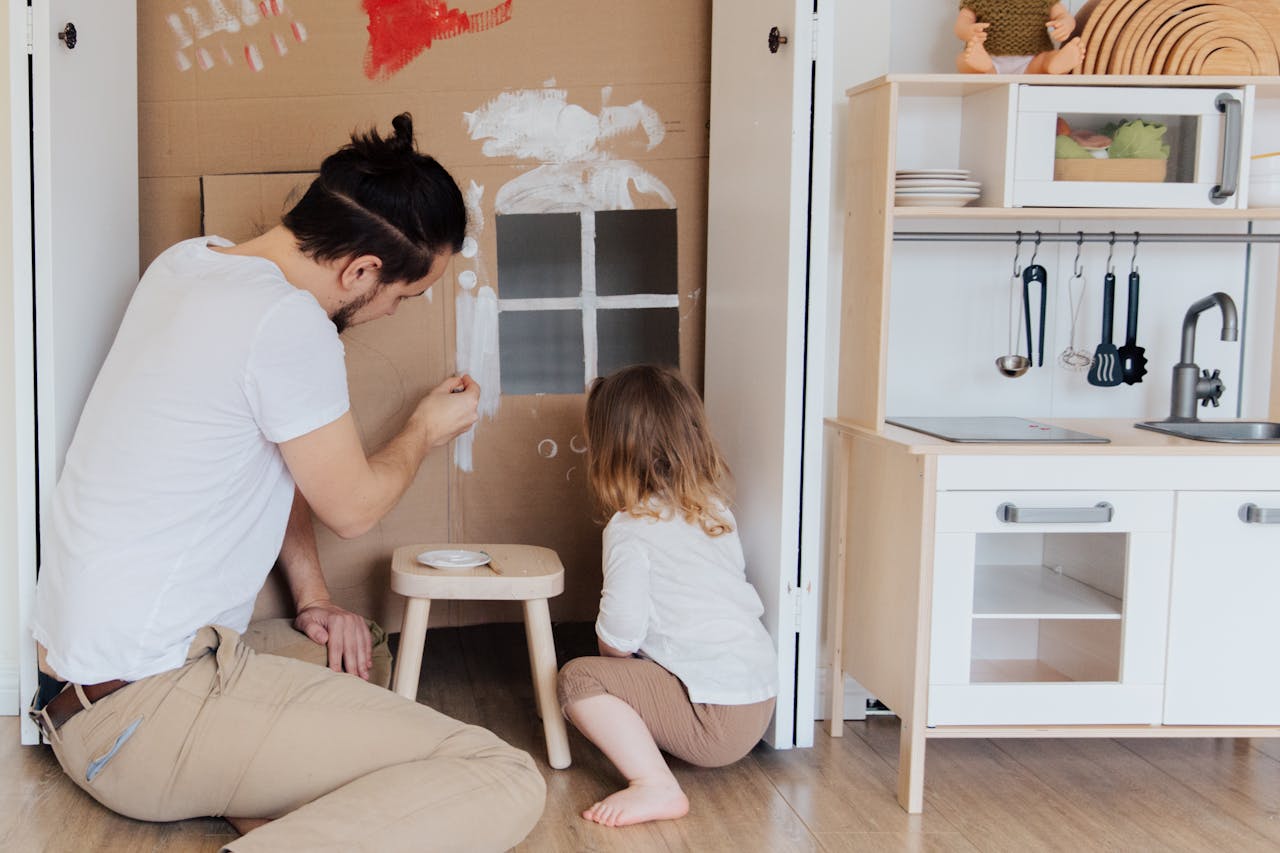
- Position yourself at your child’s level
- Use animated facial expressions
- Pause during conversation to invite attention
3. Reduce Pressure
Avoid phrases like “Look at me when I’m talking.” This can create stress and reduce participation. Focus on connection, not compliance.
4. Pair Eye Contact with Fun Activities
Engage in activities your child enjoys:
- Playing with toys
- Singing songs
- Reading books
Eye contact may naturally increase when the interaction is enjoyable and meaningful.
5. Respect Sensory Needs
Some children may find eye contact uncomfortable. Allow alternatives, such as:
- Looking at your face briefly
- Standing nearby
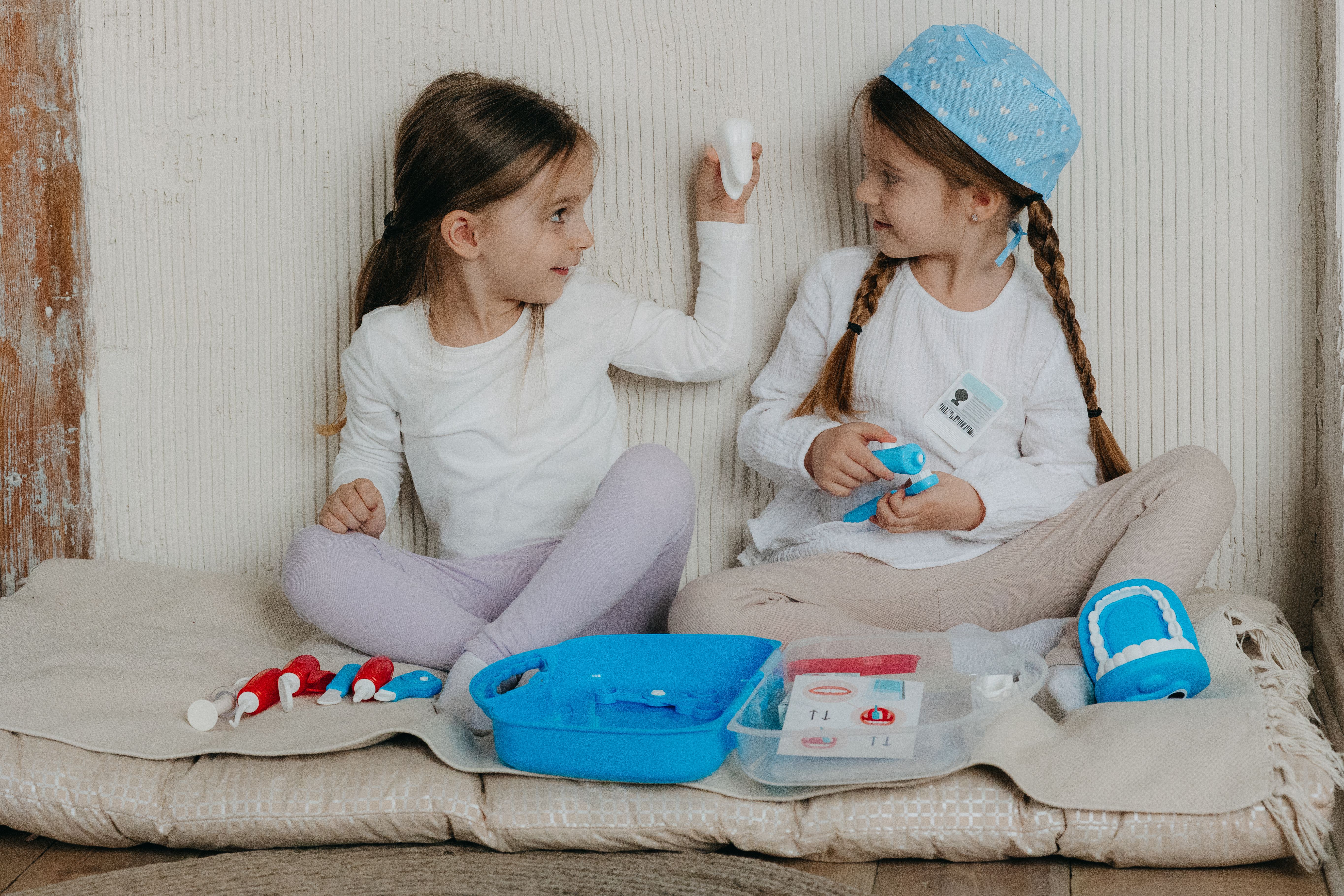
- Engaging through shared play
Real-Life Example
Imagine you are playing with a shape sorter (a familiar toy for many families). Your child is focused on placing shapes and may not look up when you speak. However, they respond by handing you a piece when you ask or following your instructions.
This is communication in action, without sustained eye contact. Recognizing these moments helps build confidence and strengthens your child’s social language skills.
Final Thoughts
Eye contact can be a helpful tool in communication, but it is not the only measure of engagement or understanding. By expanding our view of social language, we create more inclusive and supportive environments for all children, especially those with communication differences.
As parents and caregivers, your role is to guide, model, and celebrate every form of connection your child demonstrates. Small moments of shared attention and interaction build the foundation for meaningful communication over time.
Parents: Let’s Connect! Do you want to learn more about eye contact, communication, or social language? Or simply share your experiences? Let’s connect!!!! We’d love to hear about your child’s achievements or support you with any concerns you may have.