
Toys are more than just entertainment.
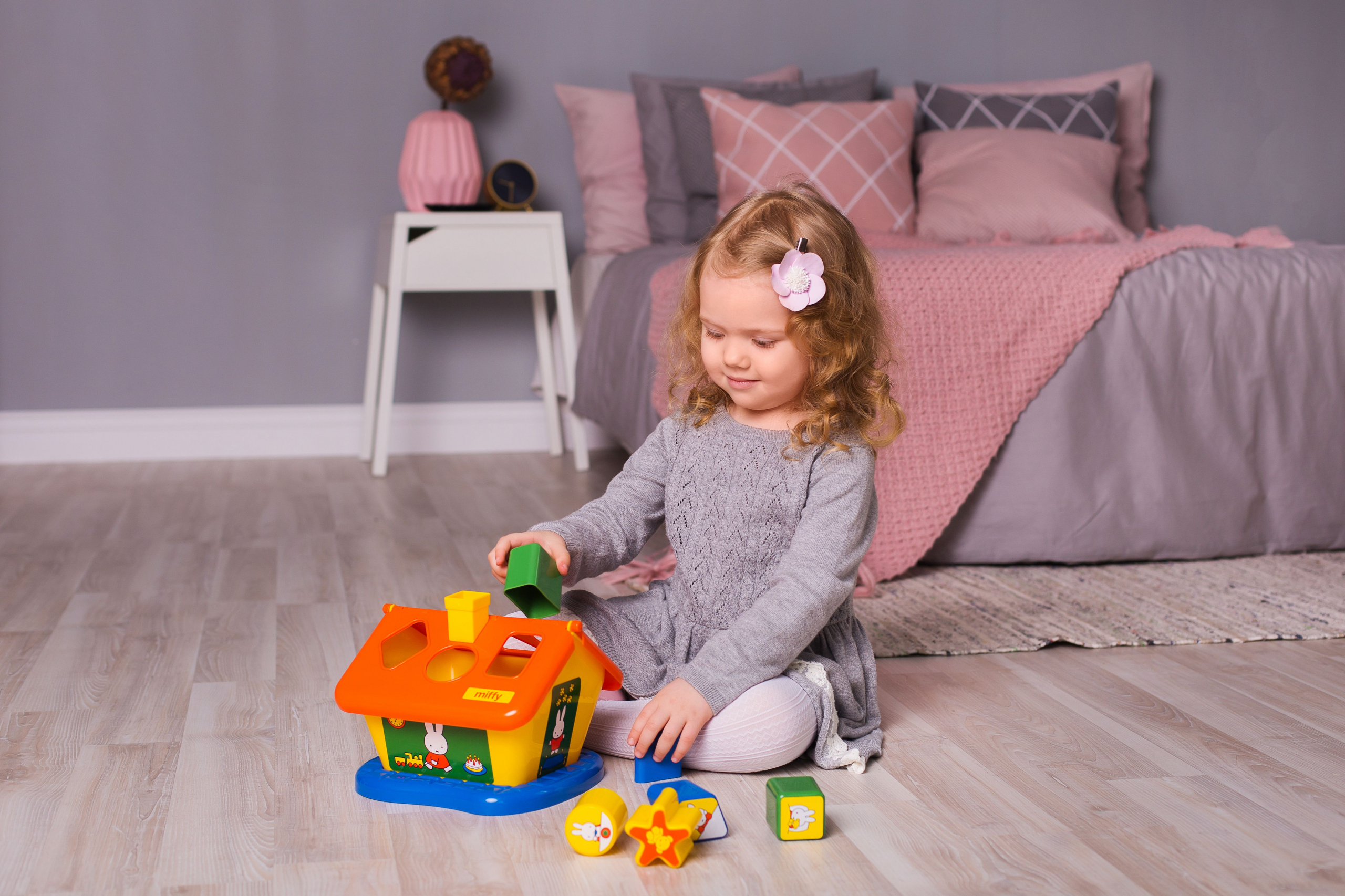
Today we are going to be talking about shape sorters. This is a classic, simple toy that can so much more than teach children how to match shapes. For parents, especially those supporting children with communication delays or disabilities, shape sorters can become efficient instruments to build vocabulary, strengthen understanding of language (Semantics – vocabulary), and encourage social interaction. With just a few pieces and playful interaction, you can turn this toy into a meaningful communication opportunity.
Why Shape Sorters Matter for Communication Development
Shape sorters support several foundational communication skills:
- Vocabulary development: Naming shapes, colors, and attributes
- Semantic understanding: Learning how objects are categorized (e.g., by colors, “round”, “pointy”, “big”, etc.)
- Social language: Taking turns, requesting help, and sharing attention
- Problem-solving language: Understanding words like “in”, “out”, “turn”, and “try”
For children with speech or language delays, these repeated, predictable play routines create a safe and structured way to practice communication.
“Give children toys that are powered by their imagination, not by batteries.” — H. Jackson Brown Jr.
This quote perfectly captures the value of simple toys like shape sorters. Without lights or sounds doing the “talking”; children rely on interactions with caregivers to bring the toy to life. This opens the door for meaningful communication. Every attempt, whether it’s a word, gesture, or sound, is an opportunity to connect, model language, and build skills naturally during play.
Building Vocabulary Through Play
Shape sorters are excellent for introducing and expanding vocabulary. Start simple, then gradually build:
Core Words and Early Vocabulary
- “In”, “out”, “more”, “help”, “go”
- “Open”, “close”, “put”, “take”
Descriptive Words
- Shapes: “circle”, “square”, “triangle”
- Colors: “red”, “blue”, “yellow”
- Size: “big”, “small”
Action Words
- “Push”, “turn”, “drop”, “fit”
Tip: Use short, clear phrases. For example:
- “Circle in!”
- “Push it!”
- “Uh-oh, stuck!”
This helps children who are still developing speech production sounds or learning how words fit together.
Supporting Speech Production Sounds
Shape sorter play naturally encourages sound and word practice. You can model:
- Simple sounds: “buh-buh” (for box), “puh-puh” (push)
- Word approximations: “cir” for circle, “tri” for triangle
- Repetition: Repeat words consistently during the activity
Encourage attempts without pressure. If your child says “ci,” you can expand:
“Yes! Circle!”
Encouraging Social Language Skills
Shape sorters are also ideal for building social communication:
- Taking turns: “My turn, your turn”
- Requesting help: Wait briefly and encourage “help” or a gesture
- Joint attention: Look at the object together and share excitement
- Celebrating success: “You did it!”
For children with social communication challenges, keeping interactions playful and predictable can reduce frustration and build confidence.
Simple Tips for Parents
- Follow your child’s lead: Let them explore while you narrate
- Model, don’t demand: Say the word instead of asking too many questions
- Pause and wait: Give your child time to respond or attempt communication
- Use gestures: Pointing, showing, and giving help support understanding
- Celebrate all attempts: Words, sounds, or gestures all count
Final Thoughts
Shape sorters may seem simple, but they offer rich opportunities to support communication development. With consistent modeling, encouragement, and a playful approach, parents can turn everyday toys into powerful therapy tools. Remember, communication grows best in moments of connection, so keep it fun, flexible, and focused on your child’s progress, no matter how small.
Parents:
Do you want to learn more about vocabulary, language development, and fun play-based learning ideas? Or even if you simply want to share your child’s journey, we’d love to hear about your child’s achievements or assist with any concerns you may have.
Let’s connect! Follow us on Facebook and Instagram for tips, updates, and easy strategies to support your child’s communication at home.
Also, explore Tokapop on Teachers Pay Teachers for thoughtfully designed home programs and play guides that support functional communication. These resources are created with care for parents simple, practical, and ready to use in your daily routines.