
“It’s just semantics”
We’ve all heard that phrase one too many times before. Often said during disagreements, it suggests that word choice doesn’t really matter. But in communication, especially in language development, semantics matters a great deal. The meaning of words shapes understanding, relationships, and how children make sense of their world.
For parents of young children, and particularly parents of children with communication or language delays, understanding semantics can provide powerful insight into how language develops and how to support it naturally at home. This blog continues our exploration of the five core areas of language development and focuses specifically on semantics, the content and meaning of language.
The Five Parts of Language
In speech and language therapy, language is often described as having five interconnected components:
- Phonology – the sound system of language
- Semantics – meaning and vocabulary
- Morphology – word forms and endings
- Syntax – sentence structure
- Pragmatics – social use of language
We previously discussed pragmatics in our blog Pragmatic Language: What Parents Should Know Today, we’re turning our attention to semantics, a foundational component that directly affects comprehension and expression.
What Is Semantics?
“There’s never been a better time to change the way you think. Replace every ‘I can’t’ with ‘How can I?’ It might sound like semantics, but I promise it will bring whatever you want to accomplish much closer to becoming a reality.”
— Maynard Webb
In linguistics, semantics refers to the meaning of words, phrases, and symbols in a language. According to Merriam‑Webster, semantics focuses on how meaning is constructed and understood. While phonology is about how words sound, semantics is about what words mean.
Meaning, however, is not always fixed. Cultural background, lived experience, and language exposure all influence how words are interpreted. A word that carries one meaning in one language or culture may mean something entirely different in another. This is why effective communication requires us to consider not only our own knowledge, but also the knowledge and background of our communication partner.
Semantics in Early Childhood
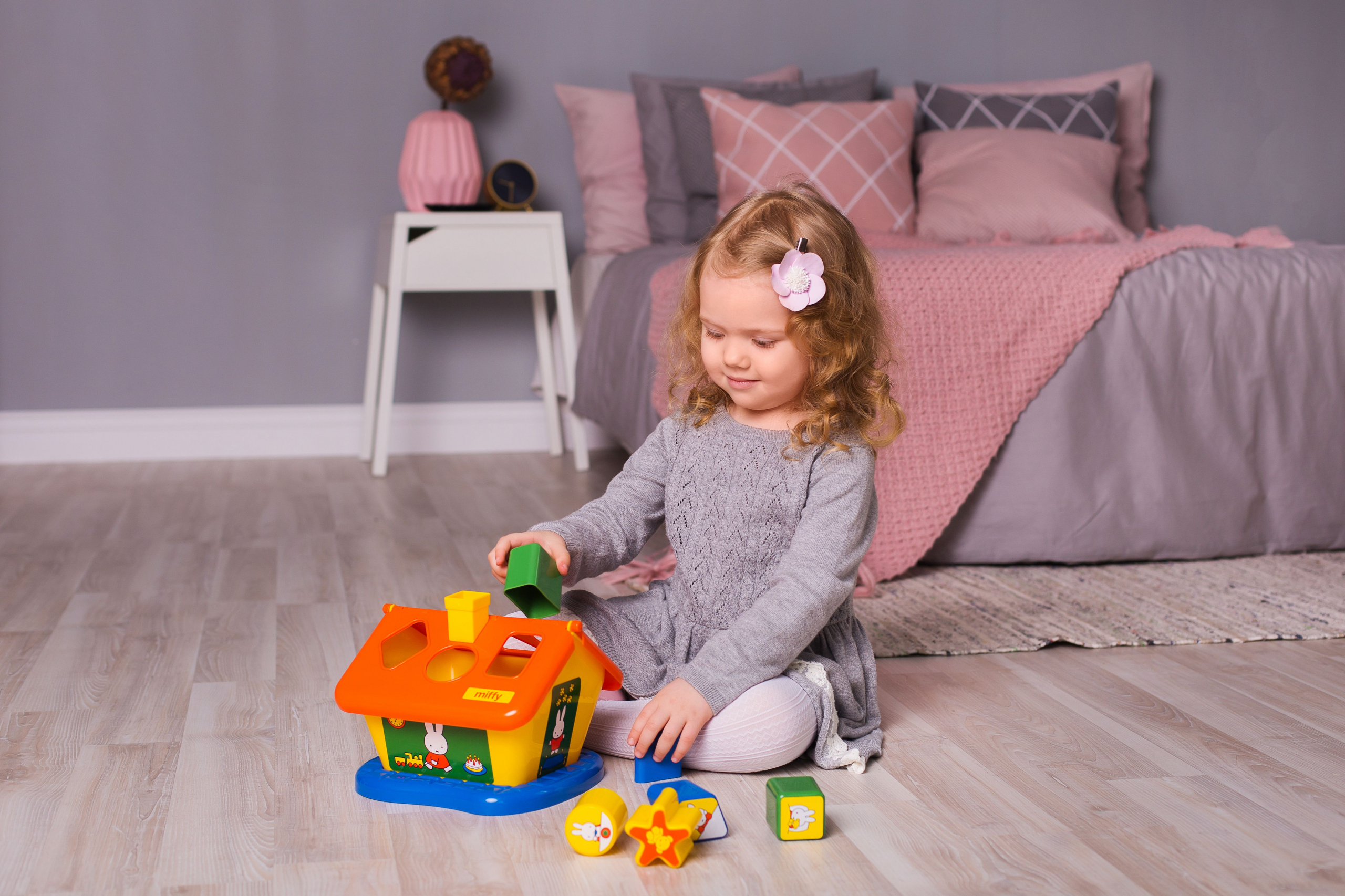
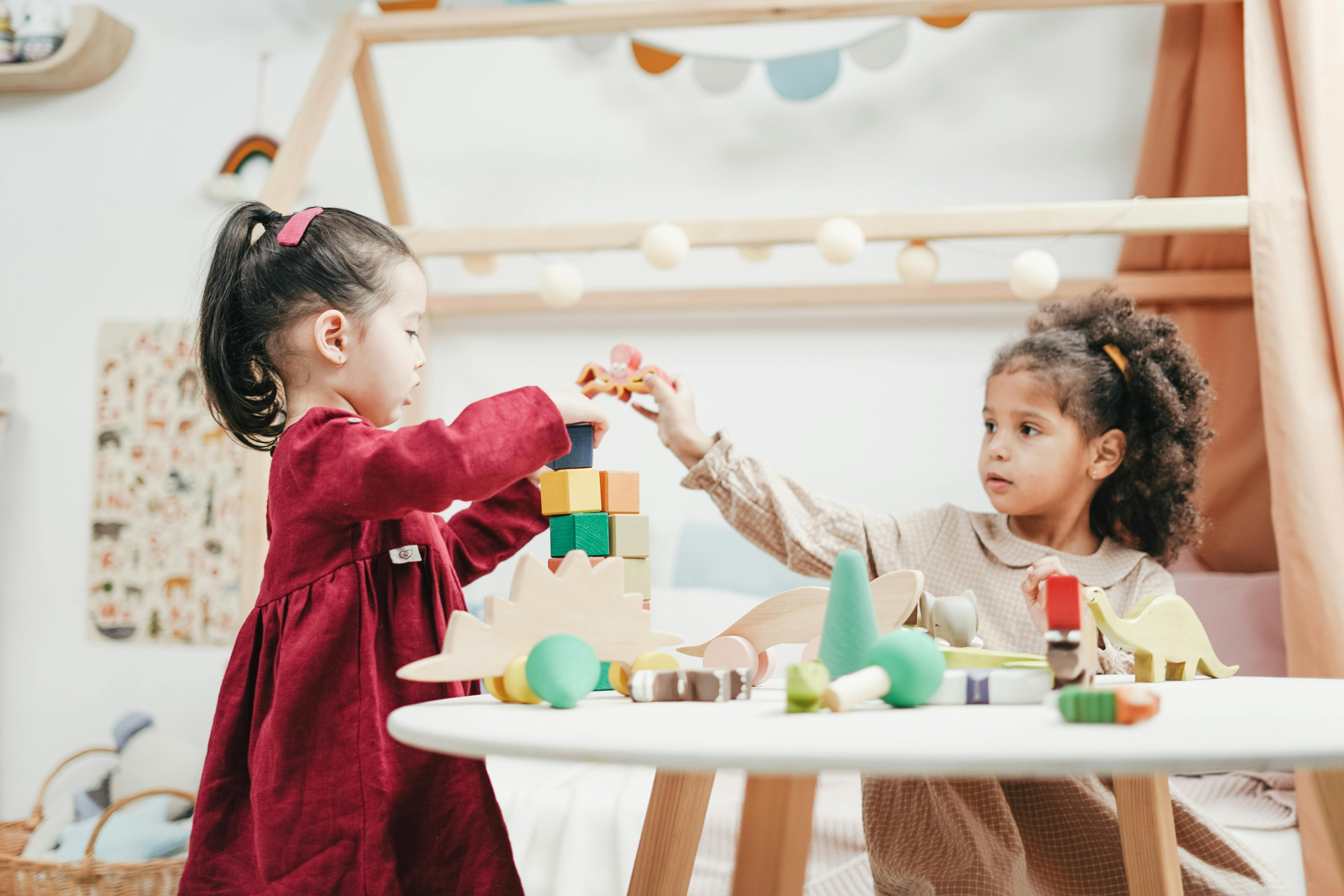
For toddlers and preschool‑aged children, semantics is primarily about vocabulary development. At this stage, children are learning words that help them label and understand their immediate environment. Their early semantic system is limited but grows rapidly with exposure and experience.
Children use vocabulary to:
- Name people, objects, and actions
- Express possession
- Describe place, quantity, and time
- Communicate quality, recurrence, and reason
These categories form the ‘building blocks’ of early language content.
Common Early Semantic Categories
Toddlers’ first words usually reflect what is most meaningful to them. These often include:
People: Mommy, daddy, grandma
Favorite Foods: Apple, milk, cookie
Actions: Eat, sleep, go
Possession: Mine, mommy’s car or mommy car
Place: Here, there, in, up
Quantity: One, all, more
Recurrence: More, again
Quality: Big, yummy, hot
Time: Now, later
Reason: Why, because, so
Each new word adds meaning to a child’s world and increases their ability to understand and express themselves.
Why Semantics Matters for Children with Language Delays
Children with language delays or disabilities may have difficulty:
- Learning new words
- Understanding word meanings
- Using vocabulary flexibly across situations
- Categorizing or describing objects and actions
Speech‑language therapy often targets semantics by expanding vocabulary, strengthening word associations, and helping children understand how words relate to each other. Strong semantic skills support later reading comprehension, academic success, and social communication.
The Power of Words at Home
Your choice of words with your child truly matters. While children are born with unique personalities, parents and caregivers play a major role in shaping language, self‑concept, and communication style.
Children learn not only from what we say to them, but also from what we say about ourselves and others. Being intentional with language, especially during the first five years of life, creates a rich environment for learning.
If you want your child to develop a strong and varied vocabulary, you must model it consistently.
Practical Ways to Build Semantics Every Day
You don’t need flashcards or special materials. Language learning happens best during daily routines:
- At home: Use a variety of verbs during chores (wash, scrub, pour, carry).
- At the grocery store: Name fruits and foods, describe colors, sizes, and textures.
- At the playground: Use action words, location words, and follow simple directions.
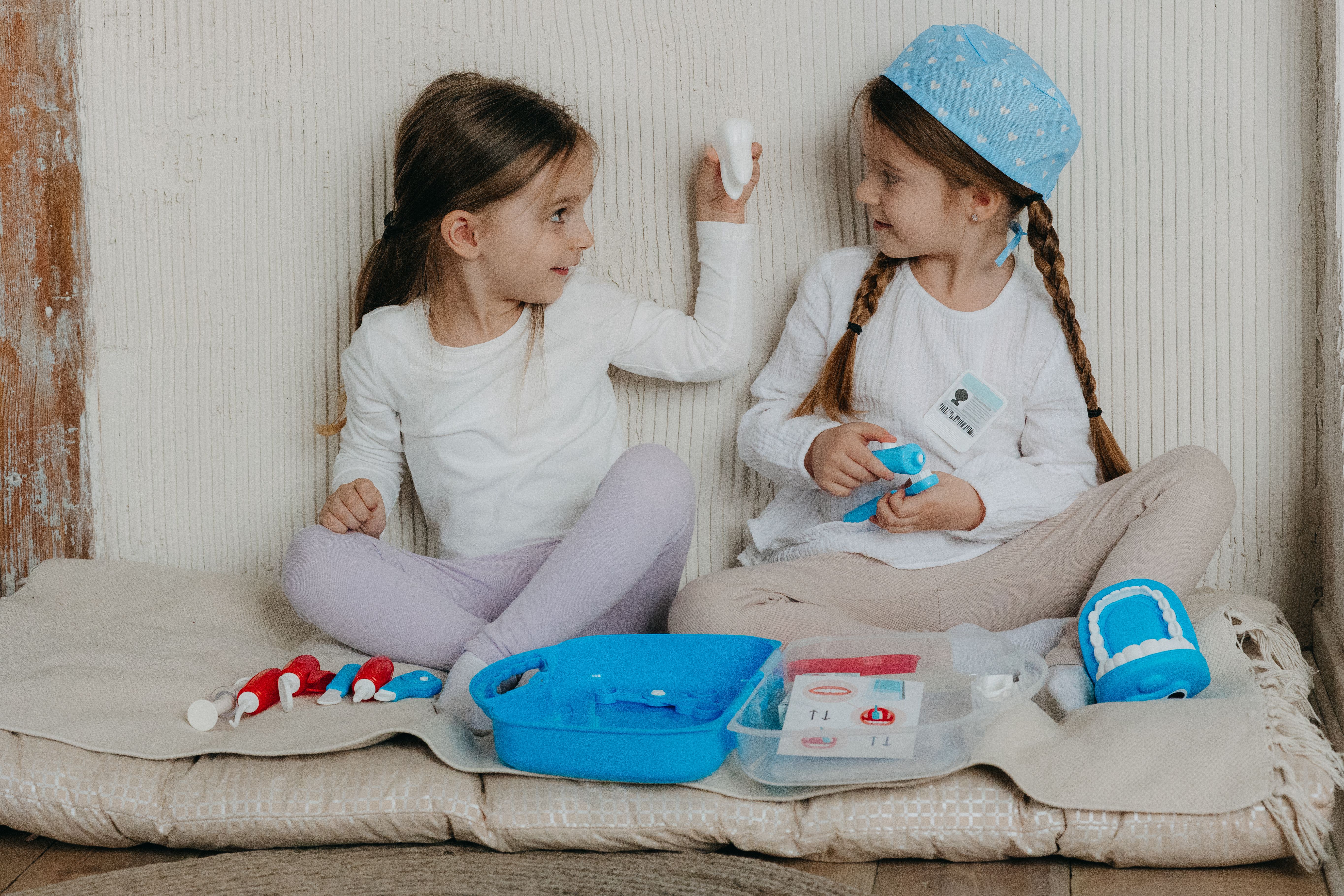
- During play: Talk about what your child is doing, seeing, and feeling.
Repetition, variety, and meaningful interaction are key.
Final Thoughts
Semantics is much more than “just vocabulary.” It is how children attach meaning to their world and learn to communicate their needs, thoughts, and ideas. By intentionally using rich, varied language and meeting your child where they are, you are building a strong foundation for lifelong communication.
Remember: small, consistent language moments make a big difference.
Parents: Let’s Connect!
Parents: Do you want to learn more about semantics, vocabulary development, or language therapy strategies, or simply want to share your experiences? Let’s connect! We’d love to hear about your child’s achievements or assist with any concerns you may have.
Follow us on Facebook and Instagram for updates, tips, and information.
Be sure to check out our friends Tokapop on Teachers Pay Teachers and grab the perfect companion for this blog. This free “5‑Minute Activity Guide: Play-Based Vocabulary Boost” goes with our blog like movies and popcorn! It was designed to support functional communication and is easy, practical, and ready to use.