
Conversations are more than just words.
From facial expressions and nodding to taking turns and maintaining topic these shared experiences help children connect, learn, and build relationships. For many children with communication or social interaction challenges, following conversational rules such as taking turns, staying on topic, and using appropriate body language and eye contact can be especially difficult. These skills don’t always develop naturally and often need to be taught, modeled, and practiced in meaningful, supportive ways.
The good news? With patience, consistency, and simple everyday strategies, parents can play a powerful role in helping their child grow into a confident and successful communicator.
Why Conversational Rules Matter
Conversational rules provide structure and predictability during interactions. They help children understand social expectations, participate successfully in peer and adult conversations, build friendships and confidence and reduce frustration and communication breakdowns. When children learn these rules early, they are better prepared for school, social settings, and everyday life.
Challenges and Supports for Social Pragmatics
Taking Turns in Conversation
What Is Turn‑Taking?
Turn‑taking is the back‑and‑forth exchange between speakers during a conversation. It includes knowing when to talk, when to listen, and how to respond appropriately.
Why Turn‑Taking Can Be Challenging
Children with communication disorders may:
- Interrupt frequently because they have difficulty waiting for their turn
- Talk for long periods without pausing and struggle recognizing cues that someone else wants to speak
How Parents Can Help
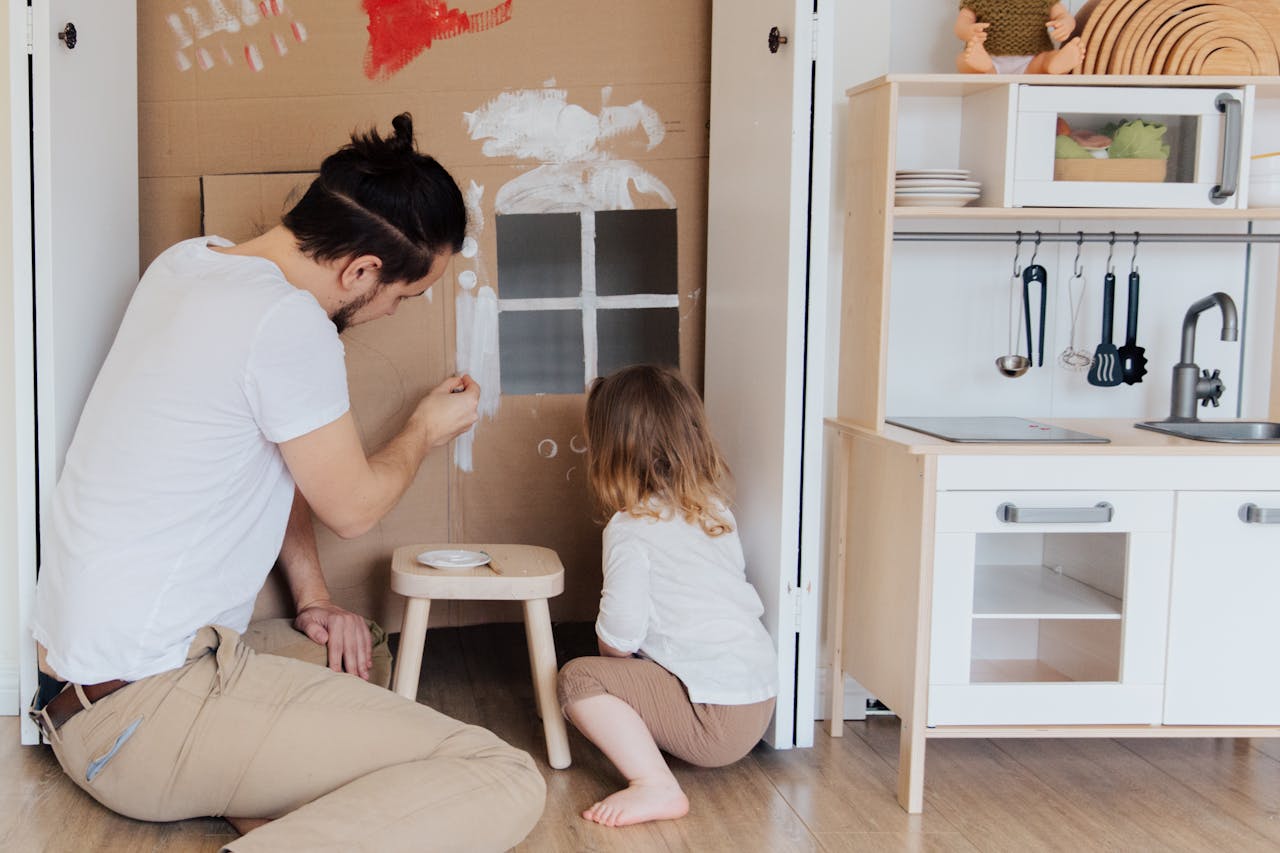
- Model turn‑taking during daily conversations
- Use phrases like “My turn” and “Your turn”
- Play games that naturally require turns (board games, rolling a ball, building together)
- Praise attempts, not perfection
Example:
During play, pause intentionally and say, “I shared my idea. Now it’s your turn.”
Staying on Topic
What Does Staying on Topic Mean?
Staying on topic means talking about the same subject as the other person and responding in a related way.
Common Challenges
- Changing topics suddenly may lead to misunderstandings with communication partner
- Focus on preferred interests only may lead to answering questions with unrelated information
Strategies to Support Topic Maintenance
- Gently redirect by restating the topic
- Use visual supports (pictures, drawings, or objects)
- Ask simple, related questions
- Keep conversations short and successful
Helpful Prompt:
“We’re talking about your school day. What did you like best?”
Using Appropriate Body Language and Eye Contact
Why Nonverbal Communication Matters
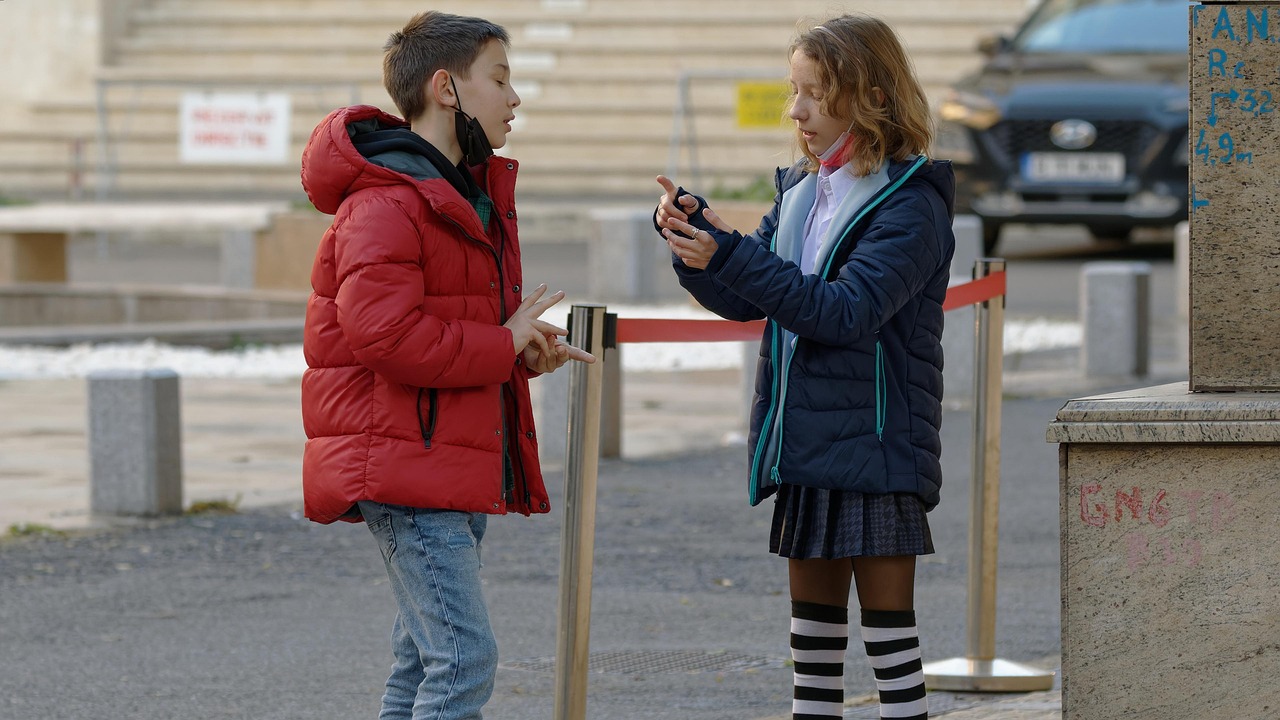
Body language, facial expressions, eye contact and nodding help listeners understand meaning and show interest. These skills are just as important as spoken words.
Common Challenges
Children may:
- Avoid eye contact that may lead to missing facial cues
- Stand too close or too far may make communication partner feel uncomfortable (if too close) or disconnected (if too far)
- Limited eye contact or no nodding may make you look uninterested even if you are engaged
Practical Tips for Parents
- Model natural eye contact without forcing it
- Encourage looking toward a person’s face or body, not just eyes
- Practice in low‑pressure moments (during play or shared activities)
- Use mirrors to explore facial expressions
“Communication works best when our words and bodies send the same message.”
Making Practice Natural and Fun
Learning conversational rules should never feel like a test. The most meaningful progress happens during real interactions—playing, eating together, reading, or running errands. Be purposeful during interactions, if you get interrupted, tell them “let me finish, then it is your turn”. Give the same curtesy back to your child, do not take long turns so they can get the hang of talking back and forth quicker. Talk about your child’s interests. You can talk about the same topic twice a day. If your child loves dinosaurs, you can find new information and although is the same topic, it is not the same conversation, but your child is interested. Do not be afraid of using big vocabulary words, you can always explain what they mean. If you are always using simple vocabulary, your child’s vocabulary will not grow with them. Remember, growth happens in small steps.
Final Thoughts
Conversational skills take time to develop, especially for children with communication challenges. By focusing on turn‑taking, staying on topic, and positive body language, parents can create a supportive environment where their child feels understood and encouraged. Progress may be gradual, but every interaction is an opportunity to learn and connect. You don’t need to do everything perfectly. Your patience, presence, and consistency make the biggest difference.
Parents: Do you want to learn more about conversational skills, social communication strategies, or ways to support your child at home? Or would you like to share your experiences and successes? Let’s connect! We’d love to celebrate achievements and support you with any concerns you may have.
Follow us on social media Facebook or Instagram for updates, tips, and information.
Find our friends Tokapop on Teachers Pay Teachers and grab the perfect companion for this blog. This free “5-Minute Bubble Exercises Guide” goes with our blog like milk and cookies! It was designed to support functional communication, made with the most care for parents, and is very easy to use, practical, and ready to implement.
If you want to get more information and activities to support your child’s social skills, you can visit PBS website. They offer free information of milestones for children from 2 y/o to 8 y/o and activities to support social skills.