
Your child is five and talking up a storm, so why might sounds like R and TH still sound different?
In Part 4 of our Articulation Development Series, we move from the preschool years into the 5;0–5;11 developmental range, when children are taking on new communication challenges at home, at school, and with friends. Although many speech sounds have already developed by this point, a few particularly challenging sounds are still being refined. This stage includes /ɹ/ (“r”), /ð/ (“th” as in this), and /ʒ/ (“zh” as in measure). Understanding that these are late-developing speech sounds can help parents know what to watch for, how to provide supportive models, and when concerns about articulation may be worth discussing with a speech-language pathologist.
Starting school does not mean that every speech sound is automatically mastered. At age five, children continue developing their speech while managing new communication demands, from answering classroom questions to telling stories and talking with friends.
Some of the trickiest English consonants are among the later sounds to develop.
Which Speech Sounds Are Still Developing at Age 5?
Based on the developmental sequence from Crowe & McLeod (2020) used throughout this series, sounds associated with 5;0–5;11 include:
- /ɹ/ or “r” as in red
- /ð/ or voiced “th” as in this
- /ʒ/ or “zh” as in measure
These sounds can be challenging because speech requires precise coordination of the lips, tongue, airflow, and voice.
Bring an Element of Fun
“In every job that must be done, there is an element of fun.”
Mary Poppins (P.L. Travers)
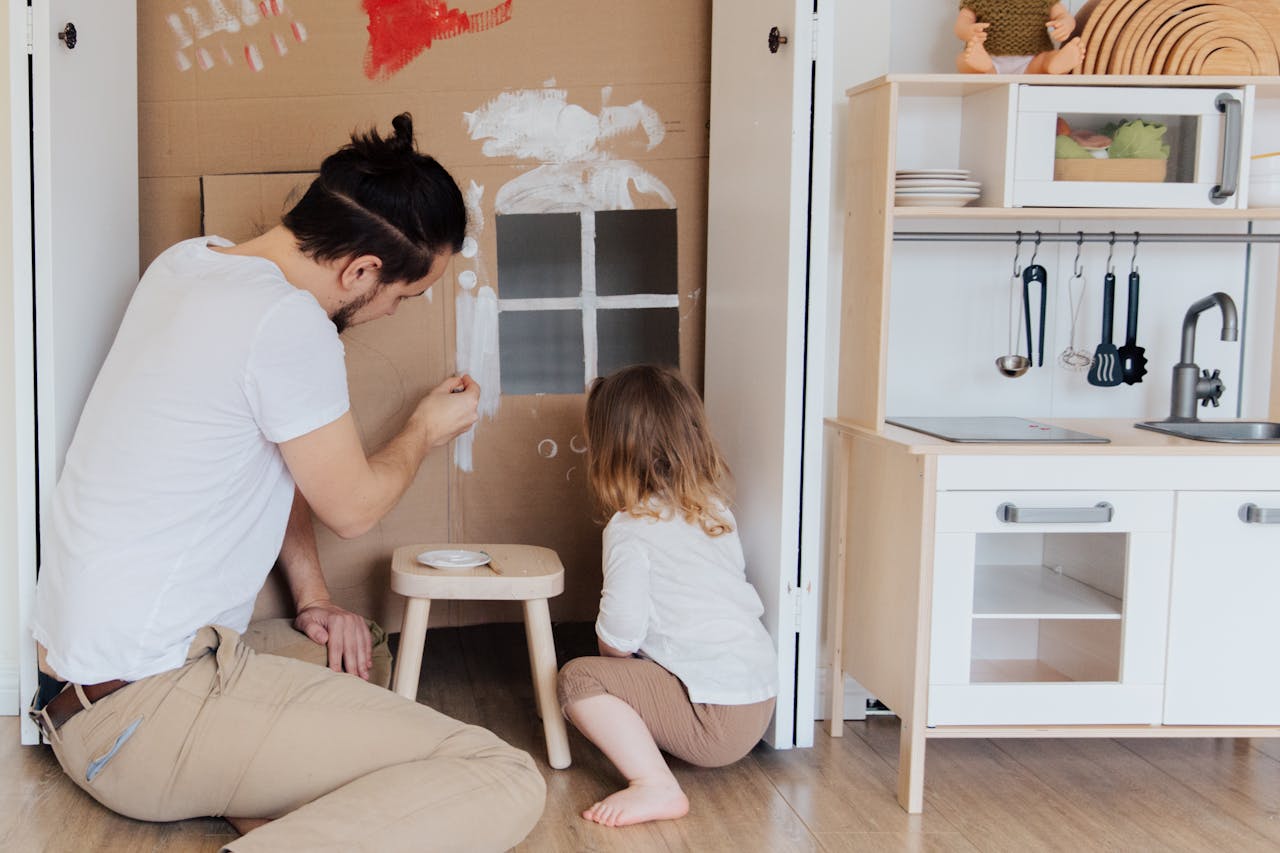
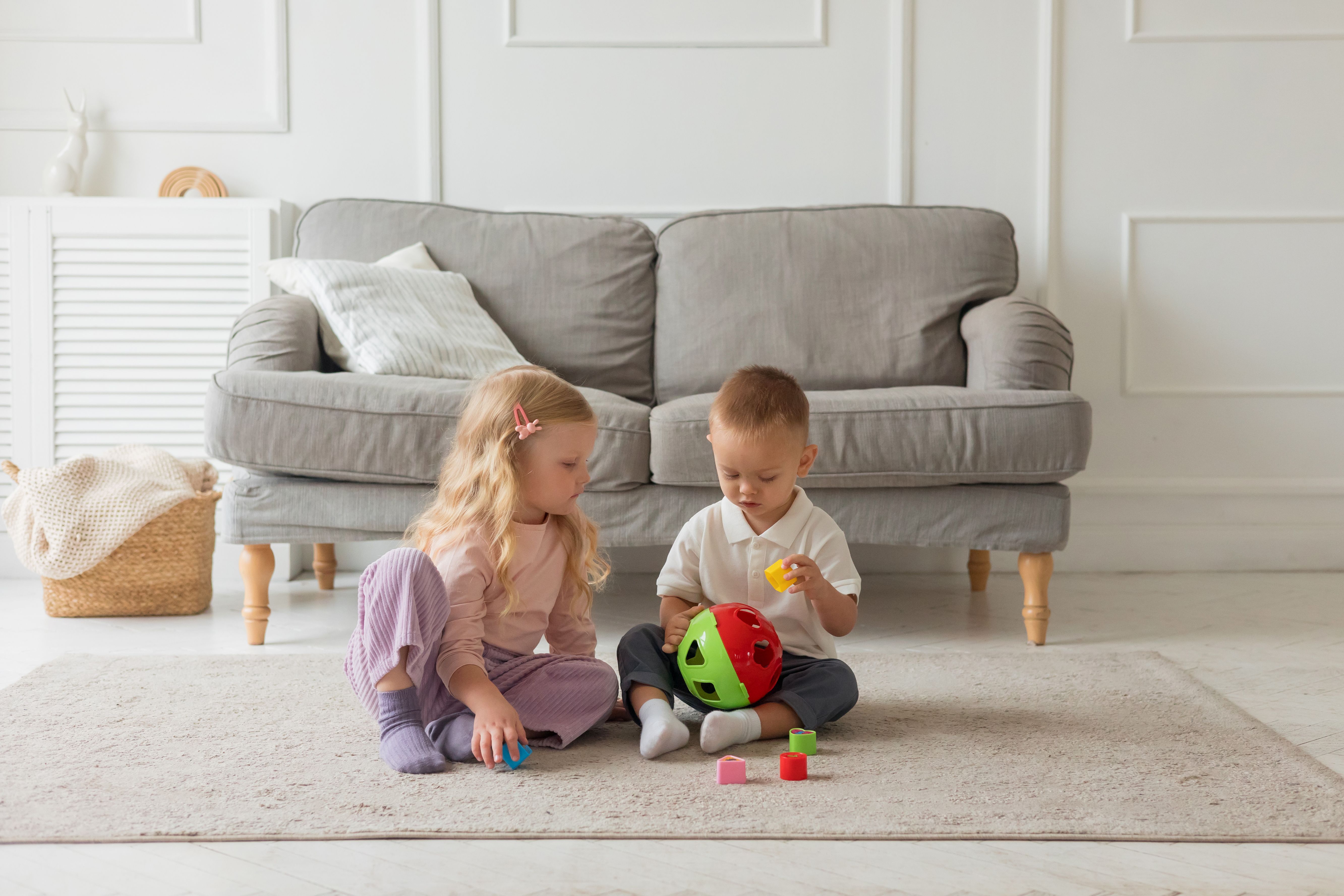
Speech development does not have to mean drills at the kitchen table. Play can create meaningful opportunities for children to listen, talk, and experiment with sounds.
Instead of saying, “No, that’s wrong. Say it again,” provide the correct word naturally.
If your child says “wed” for “red,” you could respond:
“Yes, that’s a RED car. A really big red car!”
Your child hears the model while knowing you were listening to what they wanted to tell you.
Supporting Late-Developing Sounds at Home
Use words that matter to your child
A child interested in superheroes, animals, art, sports, or vehicles will usually have more to say about those topics.
Try different positions in words
Sounds can occur at the beginning, middle, or end of words. Rather than drilling lists, simply notice opportunities for the sound during daily activities.
Avoid turning every conversation into practice
Children need opportunities to communicate without worrying about speech accuracy. Choose short playful moments for focused modeling, then return to ordinary conversation.
Parent Notes
Remember that speech development involves more than a single consonant. A parent may notice a particular sound such as R, but a speech-language pathologist considers the child’s overall speech sound system and communication abilities.
Seek professional guidance if you are concerned about your child’s speech development, particularly if speech difficulties interfere with communication, participation, or cause frustration.
Final Thoughts
At five, children are sophisticated communicators, but their speech system may still be developing. R, voiced TH, and ZH are examples of sounds that can continue to require refinement.
Be patient, model naturally, and make practice meaningful. Communication is the goal, and confidence matters along the way.
If you missed parts 1, 2 and 3 of this series, you can found them here.
First Speech Sounds: Guide for Parents and Caregivers
Developing Sounds: Guide for Parents and Caregivers
Helping Preschoolers Refine their Speech
Parents, Let’s Connect!
Parents: Want to learn more about R sounds, TH sounds, articulation, and speech development at age five, or simply want to share your child’s experiences? Let’s connect! We’d love to celebrate achievements or assist with concerns you may have.
Follow us on social media Facebook or Instagram for updates, tips, and information. Find our friends Tokapop on Teachers Pay Teachers for home programs and guides designed to support functional communication, made with the most care for parents, and is very easy to use, practical, and ready to implement.