
Your four-year-old has so much to say, but are some sounds still a little tricky to pronounce clearly?
Welcome to Part 3 of our Articulation Development Series, where we continue following the exciting progression of children’s speech sound development. As children enter the 4;0–4;11 age range, their conversations are becoming longer, their vocabulary is expanding, and they are using speech in increasingly complex ways at home, during play, and in preschool. At the same time, several later-developing sounds, including /v/, /ʤ/ (“j”), /s/, /ʧ/ (“ch”), /l/, /ʃ/ (“sh”), and /z/, are being refined. In this part of the series, we’ll explore what parents may notice during this stage and simple, positive ways to support clearer speech while keeping communication fun.
Later-Developing Speech Sounds at Age 4
According to Crowe & McLeod (2020), their review identified ages at which 90% of children correctly produced individual English consonants. During the 4;0–4;11 period in the developmental sequence used for this series, the later-developing sounds include:
- /v/ as in van
- /ʤ/ or “j” as in jump
- /s/ as in sun
- /ʧ/ or “ch” as in chair
- /l/ as in lion
- /ʃ/ or “sh” as in shoe
- /z/ as in zoo
Four-year-olds are continuing to refine their speech. These developing sounds may become especially noticeable when children use longer words, sentences, stories, and classroom vocabulary.
Little Sounds Can Make a Big Difference
“Sometimes the littlest things take up the most room in your heart.”
Winnie the Pooh (A.A. Milne)
Little speech sounds can feel like big accomplishments. As preschoolers gain confidence communicating, parents can focus less on perfect production and more on maintaining the child’s desire to talk, play, ask questions, and share ideas.
If your child produces a sound differently, you do not have to stop the conversation for a correction every time. Instead, try providing a natural model.
For example:
Child: “I see the _oo!”
Parent: “Yes! I see the zoo! The zoo has so many animals.”
You have provided a clear model while keeping the conversation moving.
Practical Ways to Encourage Clear Speech
- Model instead of repeatedly correcting
Repeat the child’s word naturally with the adult pronunciation.
- Practice within play
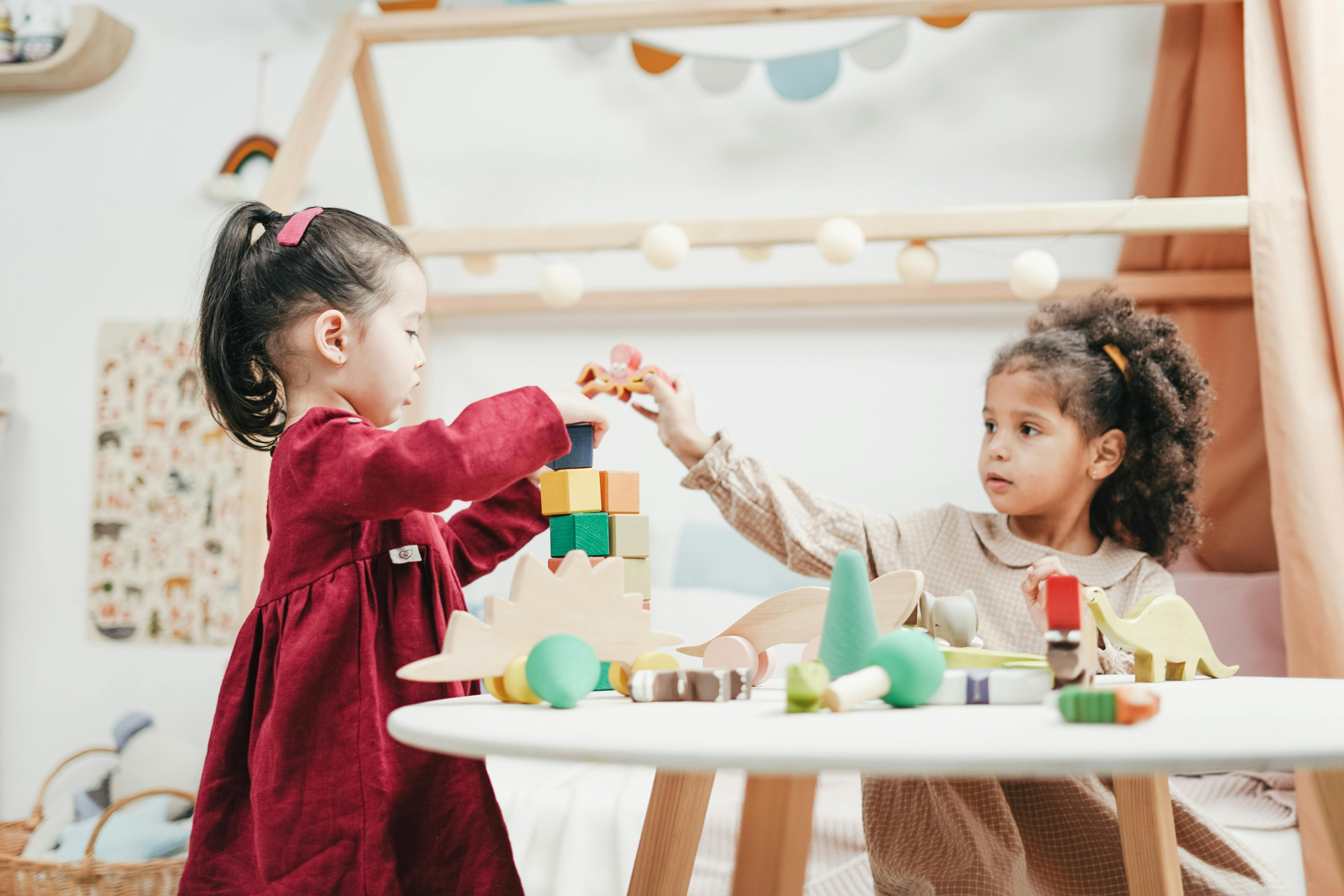
A toy zoo naturally creates opportunities for words such as zoo, zebra, and visit. A pretend store can encourage words such as sell, seven, and shopping.
- Slow down
When adults use a comfortable pace and clear speech, children receive an easier model to observe and imitate.
- Celebrate communication
Praise the message, effort, and participation rather than expecting every sound to be perfect.
Parent Notes
Developmental milestones describe patterns seen across groups of children, not a deadline for every individual child. A child’s overall speech development and intelligibility should be considered along with individual sounds.
If you are concerned about how well your child communicates or how understandable their speech is, consider discussing your concerns with a qualified speech-language pathologist.
Final Thoughts
Age four is an exciting period for articulation and speech sound development. Sounds such as /v, j, s, ch, l, sh, z/ may be undergoing important refinement as preschoolers tackle increasingly complex communication.
Keep conversations positive, give children good speech models, and remember that every attempt to communicate deserves encouragement.
Parents, Let’s Connect!
Parents: Do you want to learn more about preschool articulation and speech sound development, or simply want to share your experiences? Let’s connect! We’d love to hear about your child’s achievements or assist with concerns you may have.
Did you miss Parts 1 and 2 of this series? Find them here.
Follow us on social media Facebook or Instagram for updates, tips, and information. Find our friends Tokapop on Teachers Pay Teachers for home programs and guides designed to support functional communication, made with the most care for parents, and is very easy to use, practical, and ready to implement.