
Play is far more than just fun—it helps build the groundwork for knowledge, communication, and connection.
“Play is the foundation of learning, creativity, self-expression, and constructive problem-solving.” — Susan Linn
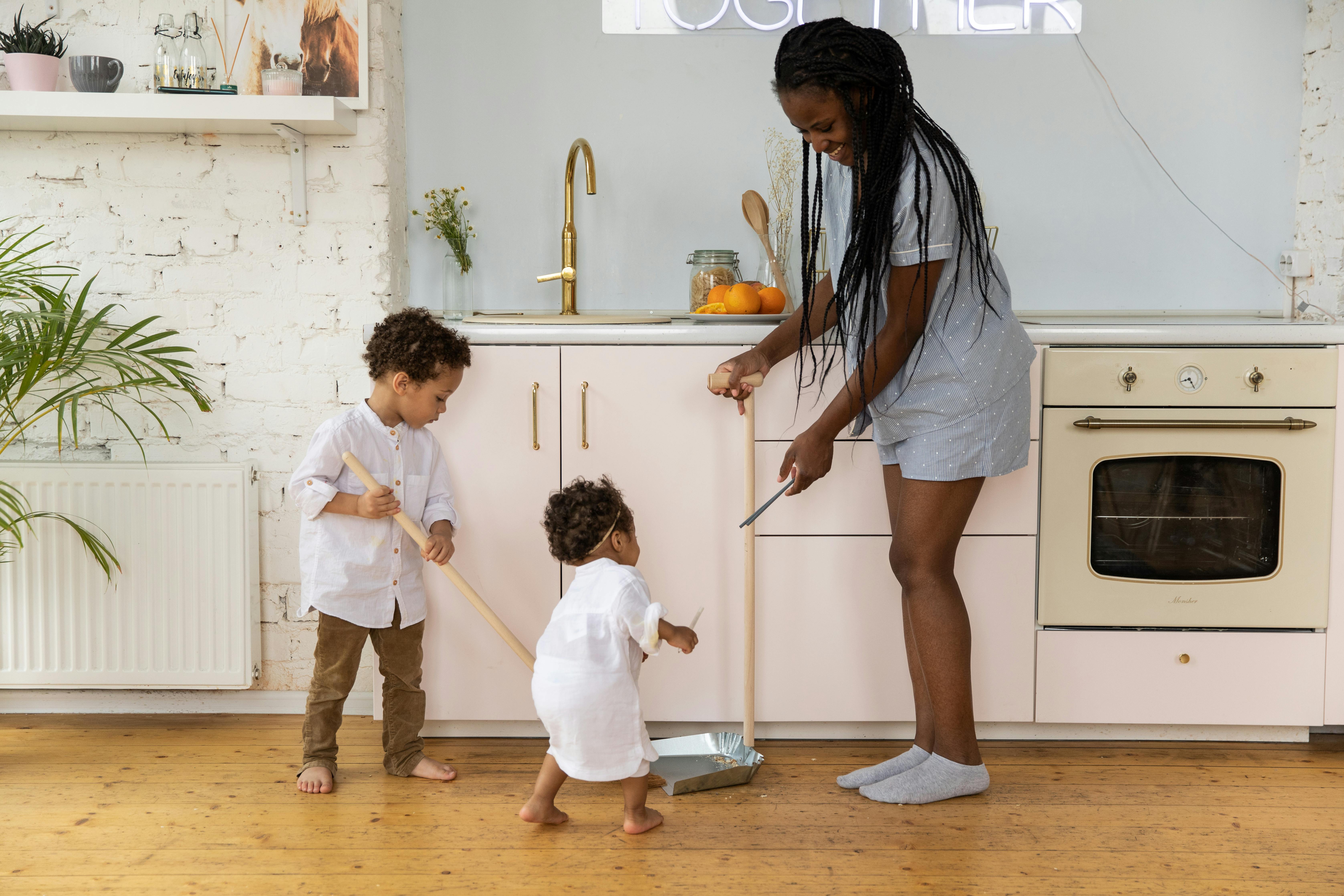
Play is how children naturally explore the world and build language. Through play, children experiment with words, ideas, emotions, and social roles in ways that feel safe and meaningful. It nurtures creativity, strengthens problem-solving skills, supports social connection, and builds emotional resilience. Play allows children to take risks, practice bravery, and learn how to manage challenges in real time.
From bonding with caregivers to understanding how the world works, play is a vital part of everyday life—not only for children, but for adults too.
Play Should Not Be The Reward—It’s The Pathway
Play should not be something children earn after completing work. Play is the means for healthy development and a powerful foundation for vocabulary growth and communication. When play is woven into daily routines, children learn language naturally—without pressure, drills, or expectations.
Below are several types of play you can intentionally include in your day to support your child’s imagination, learning, and communication skills.
1. Pretend Play (Imaginative Play)
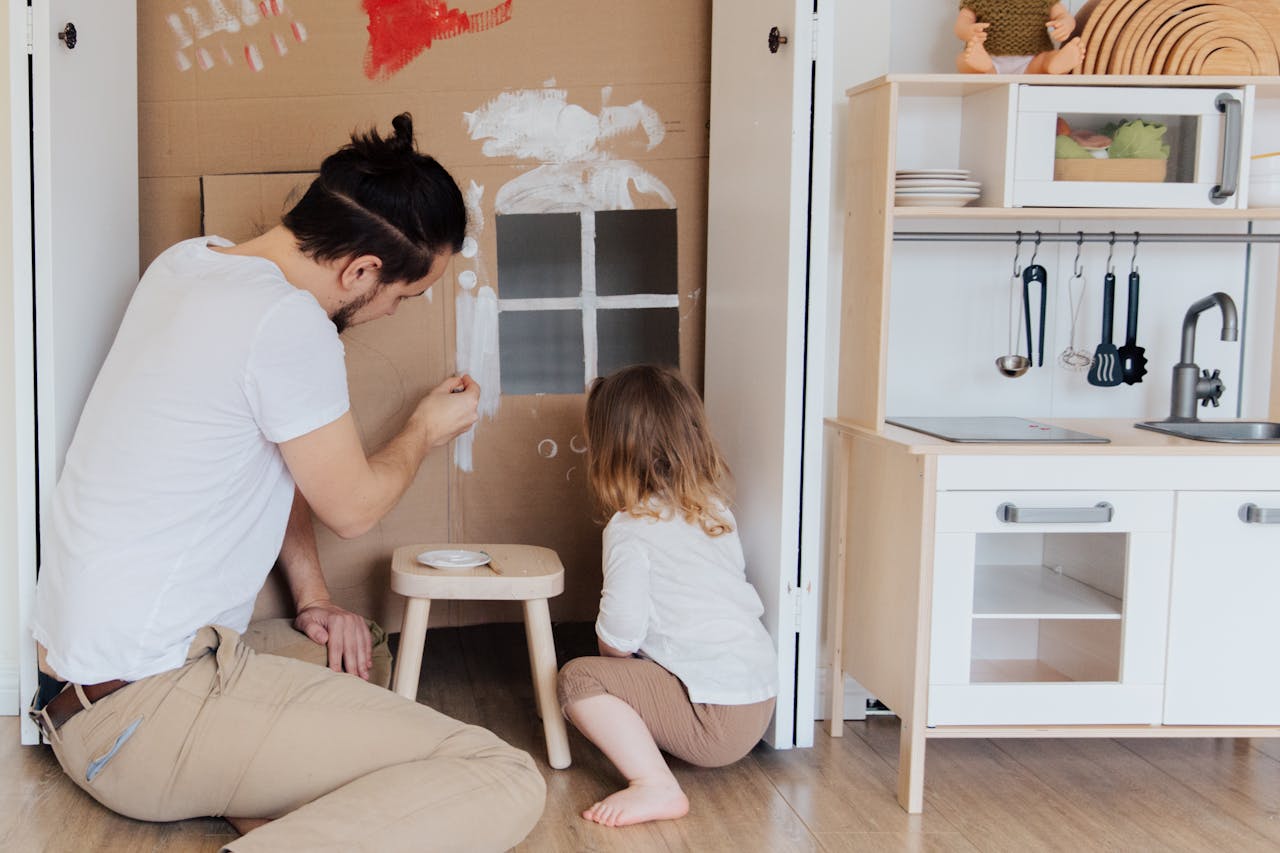
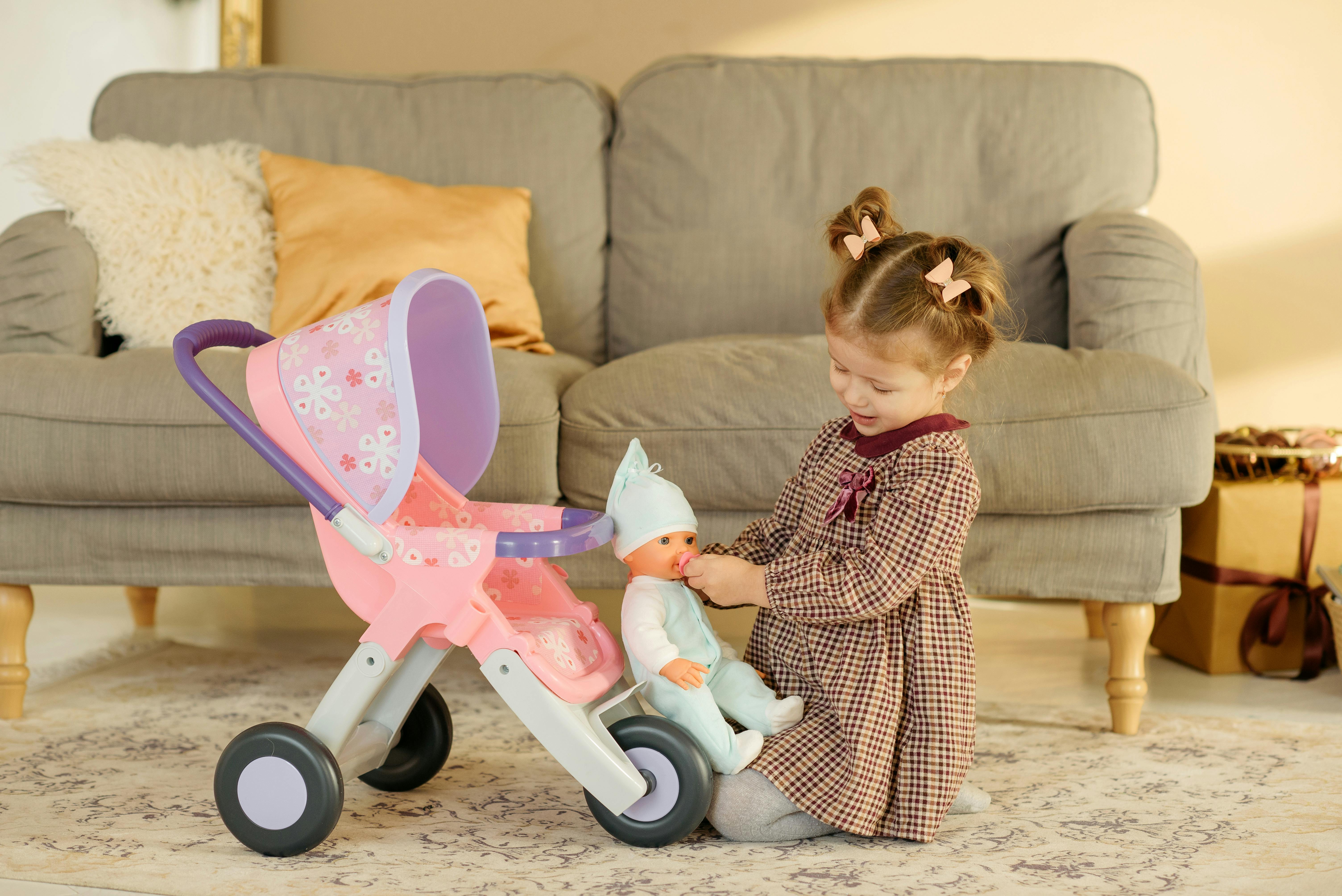
Pretend play encourages storytelling, problem-solving, and expressive language. Children take on roles, create characters, and use vocabulary in meaningful contexts.
Examples include:
- Playing house or family
- Pretending to be a veterinarian or doctor
- Running a pretend grocery store or restaurant
- Setting up a doll or stuffed-animal school
How it helps:
Pretend play naturally invites longer phrases and more complex language. Children practice conversation and turn-taking, sequencing (first, then, next) and descriptive language and emotions.
2. Toy-Based Play
From building blocks to puzzles to trains, toys offer endless opportunities for naming, describing, and following directions.
Vocabulary ideas:
- Blocks: tall, short, more, stack, crash
- Cars: go, stop, turn, fast, slow
- Animals: names, sounds, habitats, actions
How it helps:
Toy-based play builds vocabulary related to objects and actions, sizes, shapes, and colors, and categories and concepts.
3. Outdoor Play and Adventure Activities
Outdoor play is rich with sensory input and natural language opportunities.
Examples include:
- Nature walks
- Playground adventures
- Water play
- Sandbox building
How it helps:
Children learn words related to movement (climb, jump, swing), nature (leaf, cloud, bug), and sensory experiences (wet, rough, cold).
4. Sensory Play
Sensory play—such as bins, playdough, slime, and textured toys—supports exploration and descriptive language.
Vocabulary includes:
- Soft, sticky, squishy
- Pour, scoop, mix
- Hide, find, dig
How it helps:
Sensory play supports children who benefit from multimodal learning, especially children with disabilities. Sensory experiences help anchor new words to real experiences, making them easier to understand and remember.
Gentle Practice Through Play
Do not pressure your child or place high demands during play. Learning should be flexible, enjoyable, and child-led.
It’s natural to feel concerned about your child’s development, but tension and expectations can unintentionally create stress. Children sense when adults are anxious—through tone of voice, facial expressions, and reactions.
The more relaxed and open you are, the more your child will view learning as fun and engaging.
Every child develops differently. Different does not always mean delayed. Children acquire skills at their own pace, and play allows that growth to unfold naturally.
Simple Strategies to Turn Play into a Language-Rich Experience
- Follow your child’s lead: Children learn best when they are interested. Notice what they’re excited about and join in at their level. No expectations, just real play.
- Model (don’t quiz!): Instead of asking, “What’s that?” try providing a language model. This removes pressure and encourages natural learning. You can use statements like “That’s a big red truck!”, “The puppy is sleeping” or “Let’s pour the tea.”
- Add one level more: Expand, but don’t overwhelm. If your child says “car,” you can say: “The car is fast!”, “Blue car!” or “Car go up!”.
- Use repetition: Children need to hear new words many times to learn them. Saying key words throughout play or through the day helps with retention.
- Give choices to encourage communication: Choice-making boosts vocabulary and independence. You can offer a choice of color of the same item or different items altogether. Example: “Do you want the blue block or the yellow block?” or “Do you want the blocks or the cars?”.
- Narrate the play: Pretend you’re the narrator of a fun story. Narration helps build understanding and sentence structure. You can say things like: “You’re cooking soup… you’re stirring… oh! Now it’s hot!”
Final Thoughts
Play is one of the most effective and natural ways to support vocabulary development and communication skills. Whether through pretend scenarios, toys, outdoor adventures, or sensory experiences, play creates rich learning opportunities—without pressure or expectation.
When adults embrace play as a meaningful learning tool, they help children build confidence, curiosity, and connection. By valuing play as essential—not optional—we support the bigger picture: raising children who feel understood, empowered, and ready to express themselves in their own unique ways.
Follow us on social media Facebook or Instagram for updates, tips, and information.
Find our friends Tokapop on Teachers Pay Teachers and grab the perfect companion for this blog. This free “5-Minute Activity Guide: Play-Based Vocabulary Boost” goes with our blog like milk and cookies! It was designed to support functional communication, made with the most care for parents, and is very easy to use, practical, and ready to implement.
Parents: Do you want to learn more about play-based strategies to support communication—or simply share your experiences? Let’s connect! We’d love to celebrate your child’s achievements or support you with any concerns along the way.
Resource Tip
If you’re looking for ready-made ideas, Dr. Jacqueline Nesi—a psychology professor and mom of three—shares a wonderful list of parent-friendly activities on her website. I discovered her work while researching communication-boosting activities.
Sometimes having a list makes play feel more manageable. You can even create a “choice jar” with activity ideas and let your child randomly pick—just remember, once it’s picked, you go with it! Unpredictability is also fun.