
Your voice is an impressive tool.
Our voice is an integral part when sharing ideas, expressing emotions, building relationships, and connecting with the world around us. From a baby’s first coos to a child learning to sing, speak, and communicate, the voice plays a central role in communication development. Understanding how the voice works and how to care for it, can help parents better support their children, especially those with communication challenges.
This article explores how the body produces sound, the difference between voice and speech, and simple ways families can support healthy vocal development in everyday life.
The Power of the Human Voice
“Words mean more than what is set down on paper. It takes the human voice to infuse them with deeper meaning.” – Maya Angelou
The human voice adds emotion, intention, and connection to spoken language. A single word can sound happy, frustrated, excited, or calm depending on how it is said. For children learning communication skills developing a strong, healthy voice helps support clearer speech, effective social language, and confident self‑expression.
Understanding How Your Body Produces Sound
Your voice begins with breath. When you inhale, your lungs fill with air. As you exhale, that air travels upward through the larynx, also known as the voice box.
Inside the larynx are the vocal cords. When air passes through them, the vocal cords gently come together and vibrate, creating sound. This vibration is the foundation of the voice.
Next, the sound travels through the mouth and nose, where it is shaped into speech. These structures, called articulators, include the tongue, lips, teeth, jaw and hard and soft palate.
Together, these parts help turn sound into recognizable speech, singing, and meaningful communication.
A child’s voice does more than produce sounds—it carries meaning, emotion, and intention. Even when children know the right words, how they say them can completely change the message. For children learning communication skills, especially those with disabilities, understanding and developing vocal control is an important part of speech and social language development.
In speech therapy, we often talk about four key elements of voice: tone, pitch, volume, and inflection. Together, these elements help children express what they truly mean and connect more successfully with others during play, learning, and daily routines.
Tone
Tone refers to the overall emotion or attitude carried in the voice. It helps listeners understand how a speaker is feeling—happy, upset, excited, or calm.
For example:
-
- “Okay” can sound cooperative, frustrated, or unsure depending on tone.
-
- A warm tone helps children sound friendly and approachable during social interactions.
Children with communication challenges may need support learning how tone changes meaning.
Pitch
Pitch describes how high or low the voice sounds, similar to musical notes.
-
- A higher pitch may sound excited or playful.
-
- A lower pitch often sounds calm or serious.
Learning to adjust pitch helps children:
-
- Ask questions appropriately
-
- Express excitement
-
- Participate in singing and sound play
Pitch awareness is especially important for children who sound monotone or struggle with expressive speech.
Volume
Volume is how loud or quiet a person speaks. It helps control how far the voice carries and whether it fits the situation.
Examples include:
-
- Quiet voices for reading or listening
-
- Medium voices for conversation
-
- Louder voices for outdoor play (without yelling)
Many children need support learning when and how to adjust volume, particularly in group settings.
Inflection
Inflection refers to how the voice rises and falls to emphasize specific words or parts of a sentence.
Inflection helps:
-
- Show excitement or curiosity
-
- Highlight important information
-
- Signal questions versus statements
Without inflection, speech may sound flat or confusing, even if the words are correct.
Why Vocal Health Matters for Children
Healthy voice habits support endurance, clarity, and comfort when speaking or singing. Children who strain their voices may experience hoarseness, fatigue, or difficulty being understood. This can impact confidence and willingness to communicate.
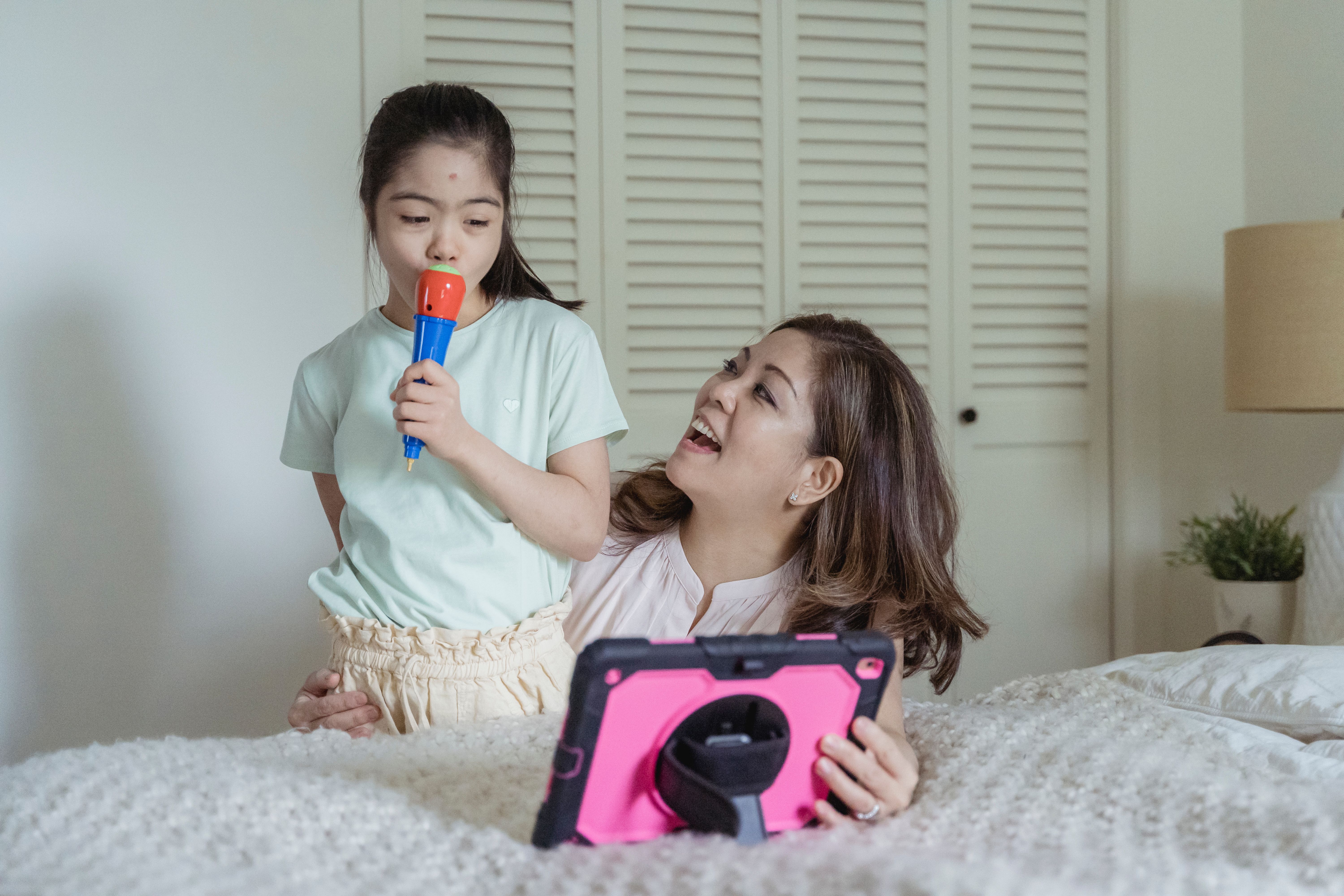
Children who use their voices frequently—through talking, singing, or play—benefit from learning gentle voice use early on.
Tips for Taking Care of Your Voice
Here are simple, family‑friendly ways to support vocal health:
-
- Stay hydrated: Drinking water helps keep vocal cords moist and flexible.
-
- Eat balanced meals: Healthy nutrition supports overall body and voice health.
-
- Limit irritants: Foods like very spicy dishes, acidic sauces, and citrus may irritate the throat for some individuals.
-
- Avoid yelling or screaming: Encourage indoor voices and model calm speech.
-
- Rest the voice when needed: Quiet breaks can help prevent strain.
-
- Model good habits: Children learn by watching and listening to adults.
These habits are especially important for children receiving speech or voice therapy.
How Speech Therapy Supports Voice and Communication
Speech‑language pathologists help children develop healthy voice use, clearer speech sounds, and effective social communication. Therapy may include breathing activities, playful sound exploration, singing, and modeling appropriate voice volume and tone during everyday routines.
Parents are essential partners in this process, reinforcing skills during play, meals, and conversations at home.
Final Thoughts
The voice is more than sound, it’s a bridge to connection, learning, and self‑expression. By understanding how the voice works and encouraging healthy habits, families can support children’s communication growth in meaningful, lasting ways. Small daily interactions make a big difference.
Parents: Do you want to learn more about voice, speech, sounds, or social language? Or would you like to share your child’s communication journey? Let’s connect! We’d love to celebrate progress and support you with any concerns you may have.
Follow us on social media Facebook or Instagram for updates, tips, and information.
Find our friends Tokapop on Teachers Pay Teachers to explore our free resources. All of our home programs are designed to support functional communication, made with the most care for parents, and very easy to use, practical, and ready to implement.