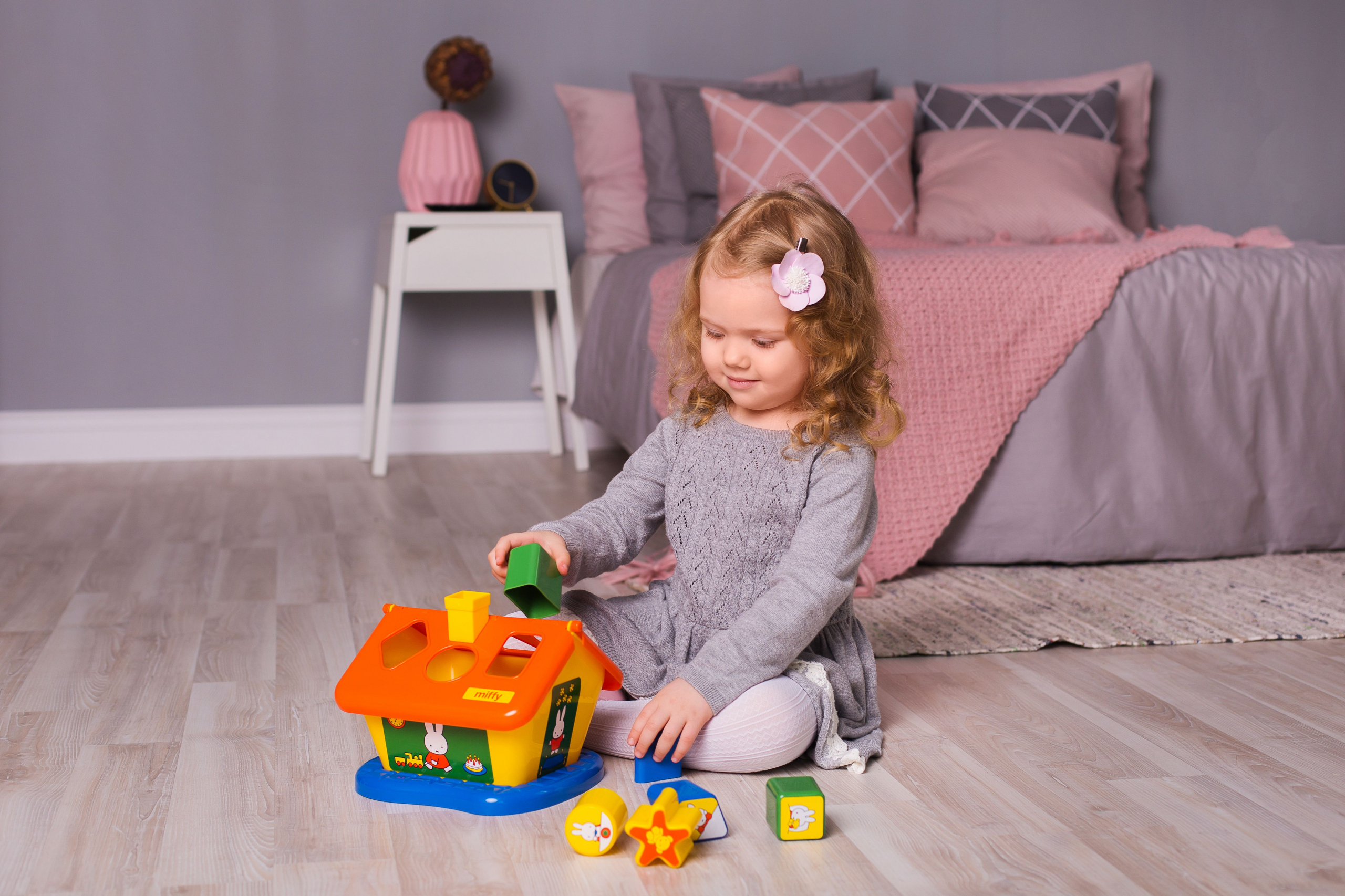


Is my child being independent, or do they need support learning how to request help?
Many parents have wondered about this at one time or another. Some children give up on a task or try to do everything on their own rather than reaching out for support. While independence is an important life skill, knowing how to ask for help is just as valuable.
Every child faces challenges while learning new skills. Sometimes, they need support to complete a task, express an idea, or solve a problem. Requesting help is an important communication skill that supports speech development, language growth, self-advocacy, and social confidence.
This may or may not come naturally for children, even those without communication difficulties. Some children may not know the words to use, feel unsure about how to communicate their needs, or become frustrated when others do not understand them. Other children may need to learn the value of learning from others and accept support. However, with encouragement, modeling, and practice, children can learn that reaching out to others is a positive and powerful form of communication. As a result, they develop greater confidence, strengthen their speech and language skills, and become more successful in everyday situations.
Why Requesting Help Matters
Communication is more than speaking clearly. It also includes sharing needs, asking questions, and participating in conversations. When a child learns to request help, they gain a practical skill that can be used at home, school, and in the community.
Children may request help when:
- A toy is difficult to open.
- A puzzle piece does not fit.
- They do not understand directions.
- They need help finding a word.
- A task feels too challenging.
Furthermore, requesting help encourages problem-solving and social interaction. Instead of giving up, children learn that communication can help them overcome obstacles.
Building Speech and Language Through Help Requests
“Asking for help isn’t giving up. It’s refusing to give up.” — excerpt from The Boy, the Mole, the Fox, and the Horse by Charlie Mackesy.
This simple message highlights an important lesson for children and adults alike. Asking for help shows persistence, not weakness. In fact, children who learn to request help often have more opportunities to practice speech, language, and communication skills.
During speech and language therapy, clinicians frequently teach children phrases such as:
- “Help me.”
- “Can you help?”
- “I need help.”
- “Can you show me?”
Additionally, these phrases support vocabulary, sentence building, social interaction, and speech clarity. As children practice these skills, they become more comfortable communicating with others.
Simple Ways Parents Can Encourage Help Requests
Parents play an important role in communication development. Fortunately, there are many easy ways to encourage children to ask for help.
Model the Language
Use simple phrases throughout the day. For example, say, “I need help opening this jar.”
Pause and Wait
When your child encounters a small challenge, wait briefly before stepping in. This creates an opportunity for communication.
Speak your Child’s Language
If your child’s is motivated by praising, praise all efforts, but if your child gets overwhelmed by the “celebration” just skip it. The true value is in the support offered.
Keep It Fun
Use games, crafts, and daily routines that naturally create opportunities for requesting help. Therefore, communication practice becomes part of everyday life.
Final Thoughts
Requesting help is an essential communication skill that supports speech, articulation, language development, and social success. Moreover, it teaches children that communication can help them solve problems and connect with others. With patience, modeling, and encouragement, parents can help children build confidence and develop meaningful communication skills that will benefit them for years to come.
Let’s Connect!
Parents: Do you want to learn more about speech, articulation, language, therapy, communication, or speech development? Or would you like to share your experiences? Let’s connect!!!! We’d love to hear about achievements or assist with any concerns that you may have.
Follow us on social media Facebook or Instagram for updates, tips, and information. Find our friends Tokapop on Teachers Pay Teachers for home programs and guides designed to support functional communication, made with the most care for parents, and is very easy to use, practical, and ready to implement.